Athens Monitors Turkey's S-400 Sale Amidst CAATSA Sanctions and F-35 Program Hopes
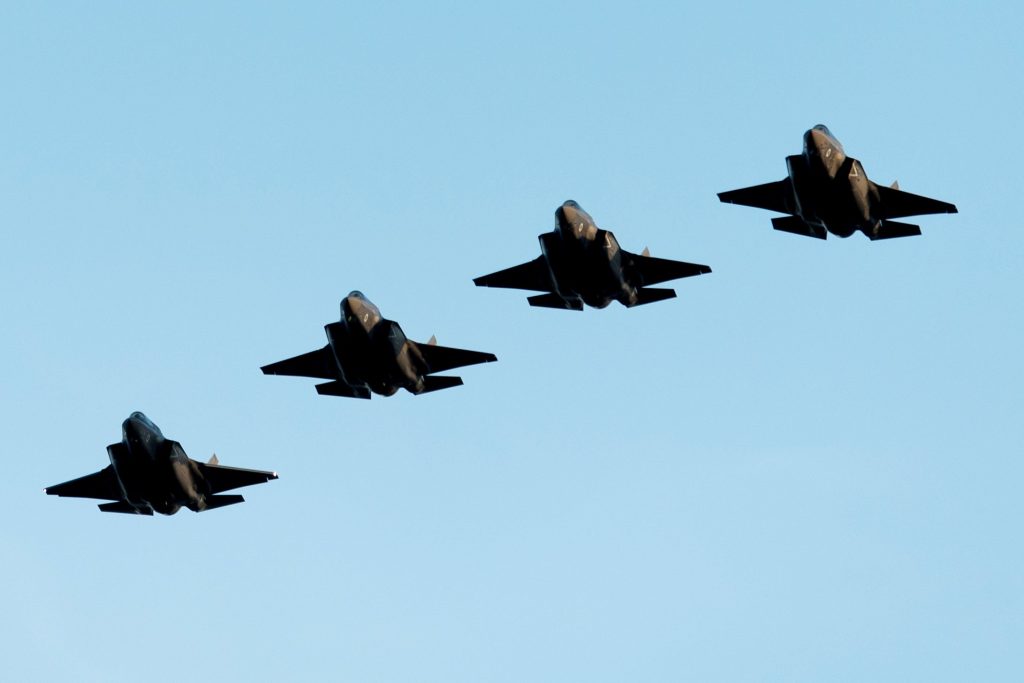
Athens is closely observing reports that Ankara is announcing the sale of its Russian S-400 missile defense systems to a Gulf country. This potential transaction is seen as a significant development, potentially overcoming an initial hurdle for the lifting of CAATSA sanctions. Turkey's primary objective with this move appears to be its readmission into the F-35 fighter jet program. The Greek government is monitoring these developments with particular attention, especially as this news emerges just days after related events. The sale, if finalized, could have implications for regional security dynamics and Turkey's relationship with NATO allies. It also raises questions about the effectiveness of U.S. sanctions under the Countering America's Adversaries Through Sanctions Act (CAATSA). The strategic implications of Turkey acquiring advanced Russian air defense systems and subsequently seeking to divest them while rejoining a key Western military program are complex. Greece, as a NATO member and regional player, has a vested interest in understanding the ramifications of these geopolitical maneuvers.
Turkey's reported intention to sell its Russian S-400 missile defense systems to a Gulf nation presents a complex geopolitical and strategic calculus. From a systemic perspective, this move could be interpreted as an attempt to navigate the dual pressures of Western sanctions, specifically CAATSA, and the desire to reintegrate into Western defense programs like the F-35. The potential sale highlights the intricate interplay between national security objectives, arms procurement choices, and international relations. It also raises questions about the long-term strategic alignment of states operating in a multipolar world, where defense acquisitions can create both opportunities and dependencies. The effectiveness of sanctions as a tool for influencing state behavior in the defense sector, particularly when faced with alternative markets and strategic imperatives, warrants continued observation. This situation underscores the evolving landscape of international security and the challenges of maintaining alliance cohesion amidst diverse national interests and technological dependencies.
AI-generated to prompt reflection — not editorial opinion, not advice, not a statement of fact. How this works.