Athens Neighborhoods Struggle Under Tourist Pressure, Airbnb Crackdown Shows Early Impact
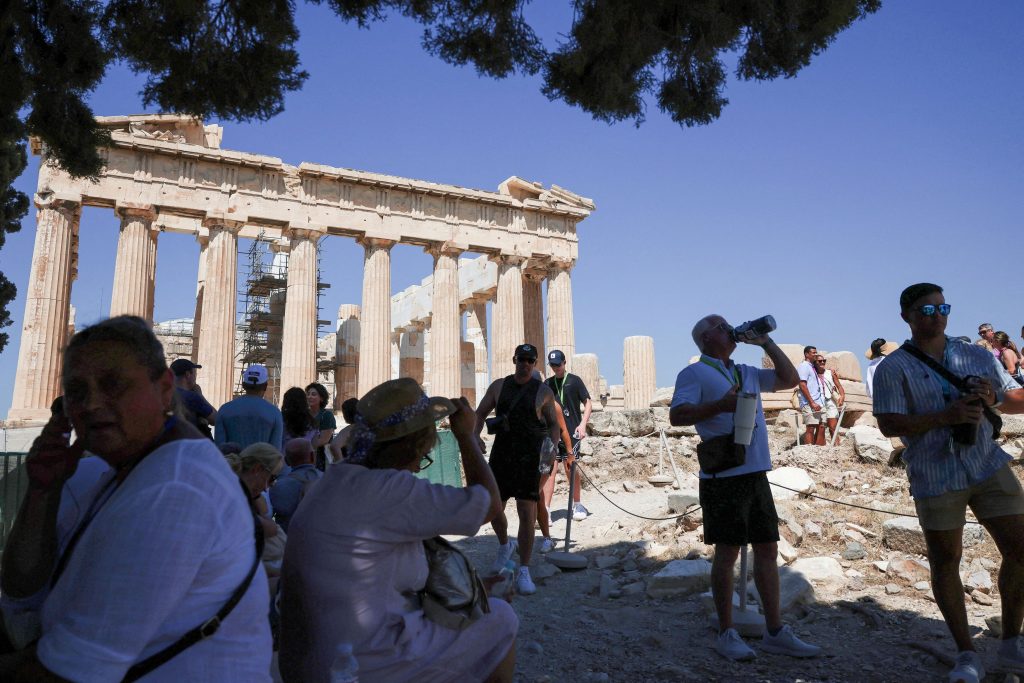
Tourist pressure is significantly altering neighborhoods within Athens, according to an updated study on the city's carrying capacity for tourism. The Municipality of Athens released preliminary findings from its "Study on the Tourist Carrying Capacity" which highlights the strain on local communities. This study aims to assess the limits of tourism's impact on urban areas and inform policy decisions. A key focus of the recent findings relates to the initial effects of measures taken to curb the issuance of new Airbnb permits. The municipality has implemented a "brake" on new short-term rental licenses, indicating a strategic effort to manage the rapid growth of tourism accommodation. These actions are intended to mitigate the negative consequences of over-tourism, such as rising housing costs and the displacement of local residents. The study's results suggest that certain areas are experiencing a disproportionate influx of tourists, leading to a transformation of their character and services. The municipality is evaluating these impacts to develop more sustainable tourism management strategies. The preliminary data from the Airbnb permit restrictions offers an early glimpse into the effectiveness of regulatory interventions in controlling the expansion of short-term rentals. Further analysis is expected to provide a clearer picture of the long-term implications for Athens' neighborhoods and its residents.
The municipality's updated study on tourist carrying capacity and its preliminary findings on Airbnb regulations underscore a growing global challenge: balancing economic benefits from tourism with the preservation of urban livability and housing affordability for residents. The "brake" on new Airbnb permits represents a policy intervention aimed at managing the externalities of the sharing economy. This approach reflects a broader trend where cities are seeking to regain control over their urban fabric and housing markets, which have been significantly influenced by platforms like Airbnb. The study's focus on "tourist pressure" and its impact on neighborhoods highlights the need for nuanced urban planning that considers not just economic growth but also social equity and the sustainability of local communities. Future policy decisions will likely involve navigating complex trade-offs between tourism revenue and resident well-being, potentially exploring models that encourage longer-term rentals or diversify tourism's economic footprint across different sectors and geographical areas within the city.
AI-generated to prompt reflection — not editorial opinion, not advice, not a statement of fact. How this works.