Atibaia, Brazil: Winter tourism blends mountain climate, strawberries, and cuisine
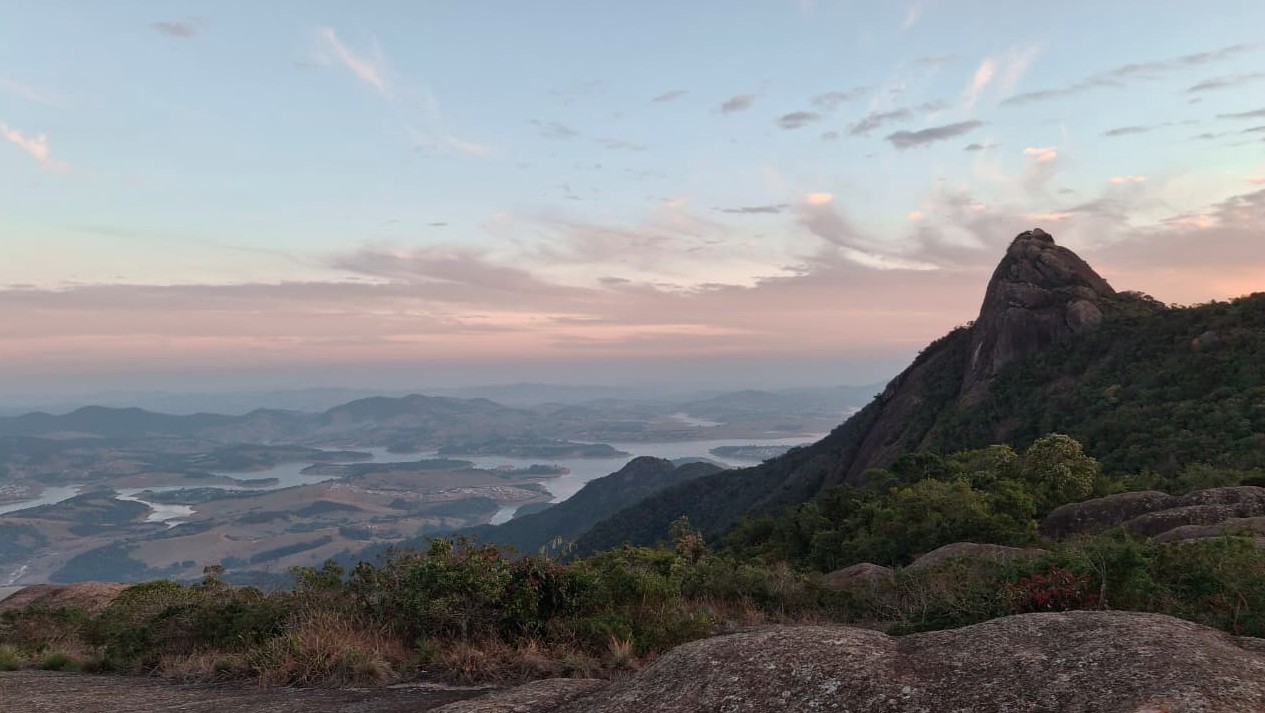
Atibaia, a city located approximately 65 kilometers from São Paulo, Brazil, is emerging as a prime winter tourist destination. Leveraging its mountainous terrain and natural landscapes, the region offers visitors a unique experience characterized by a cool mountain climate, abundant green spaces, and a rich culinary scene. This makes it an attractive alternative for those seeking a respite from the hustle and bustle of large urban centers.
During the colder months, Atibaia's tourism sector focuses on experiences that embrace the season. Visitors can indulge in hearty broths and hot dishes at local restaurants, explore the region's renowned strawberry production, and enjoy the scenic beauty. Strawberries are a significant symbol of Atibaia, featured in various gastronomic offerings including desserts, jams, and even more unconventional preparations. The combination of fresh strawberries with hot chocolate or fondues enhances the winter dining experience, offering a taste of local identity and tradition.
The city's geography, surrounded by mountains and verdant areas, contributes to its reputation as a place where tourism, nature, and quality of life converge. The milder winter temperatures are conducive to outdoor activities, romantic getaways, and family vacations. Beyond the culinary attractions and natural beauty, Atibaia encourages a slower pace of life, allowing visitors to relax, appreciate the mountain views, and engage in leisurely activities. Iconic landmarks like Pedra Grande further highlight the city's appeal for nature and adventure tourism, as well as contemplative experiences.
Atibaia's winter tourism strategy effectively capitalizes on its natural attributes and agricultural specialties to create a distinct seasonal offering. By promoting a blend of mountain climate, strawberry-centric gastronomy, and a relaxed pace, the city positions itself as a counterpoint to urban life. This approach taps into evolving consumer preferences for authentic experiences and nature-based tourism. The success of this model hinges on sustainable management of its natural resources and consistent quality in its gastronomic and hospitality offerings, ensuring long-term appeal beyond short-term trends. Future challenges may include managing increased visitor numbers without compromising the environment and maintaining the unique character that attracts tourists.
AI-generated to prompt reflection — not editorial opinion, not advice, not a statement of fact. How this works.