Atlanta criticized for discarding homeless individuals' belongings near World Cup site
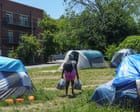
Atlanta city employees recently disposed of tents, medication, identification, and other personal belongings of unhoused individuals at a public park. This action was reportedly carried out without prior warning to the approximately 15 people who had been living there for months. The incident has sparked outrage among activists and a local official, who argue it violates procedures established after a similar event last year where a city employee killed a man by running over his tent with a front loader. The park where the sweep occurred is located less than a mile from a venue hosting World Cup watch parties. This timing highlights the ongoing challenges and tensions surrounding the city's homeless population during the month-long international soccer event. City officials stated that the employees were conducting 'routine park maintenance' when the belongings were discarded. The incident raises questions about the city's protocols for addressing homelessness, especially in proximity to major public events.
The city's actions, occurring near a high-profile public event like the World Cup, raise questions about public relations management and the prioritization of city aesthetics over the welfare of its unhoused residents. While city officials cite 'routine park maintenance,' the disposal of personal belongings, including essential items like medication and identification, suggests a potential disconnect between stated policy and on-the-ground execution. This incident underscores a recurring systemic tension in urban environments: the challenge of balancing public space utilization, event hosting, and the rights and needs of vulnerable populations. Future urban planning and event management strategies may need to incorporate more robust, humane, and transparent protocols for engaging with and supporting homeless individuals, particularly during periods of increased public scrutiny and activity, to avoid such public relations crises and uphold community values.
AI-generated to prompt reflection — not editorial opinion, not advice, not a statement of fact. How this works.