Atlantic Hurricane Season Could Shift in August, Climate Experts Say
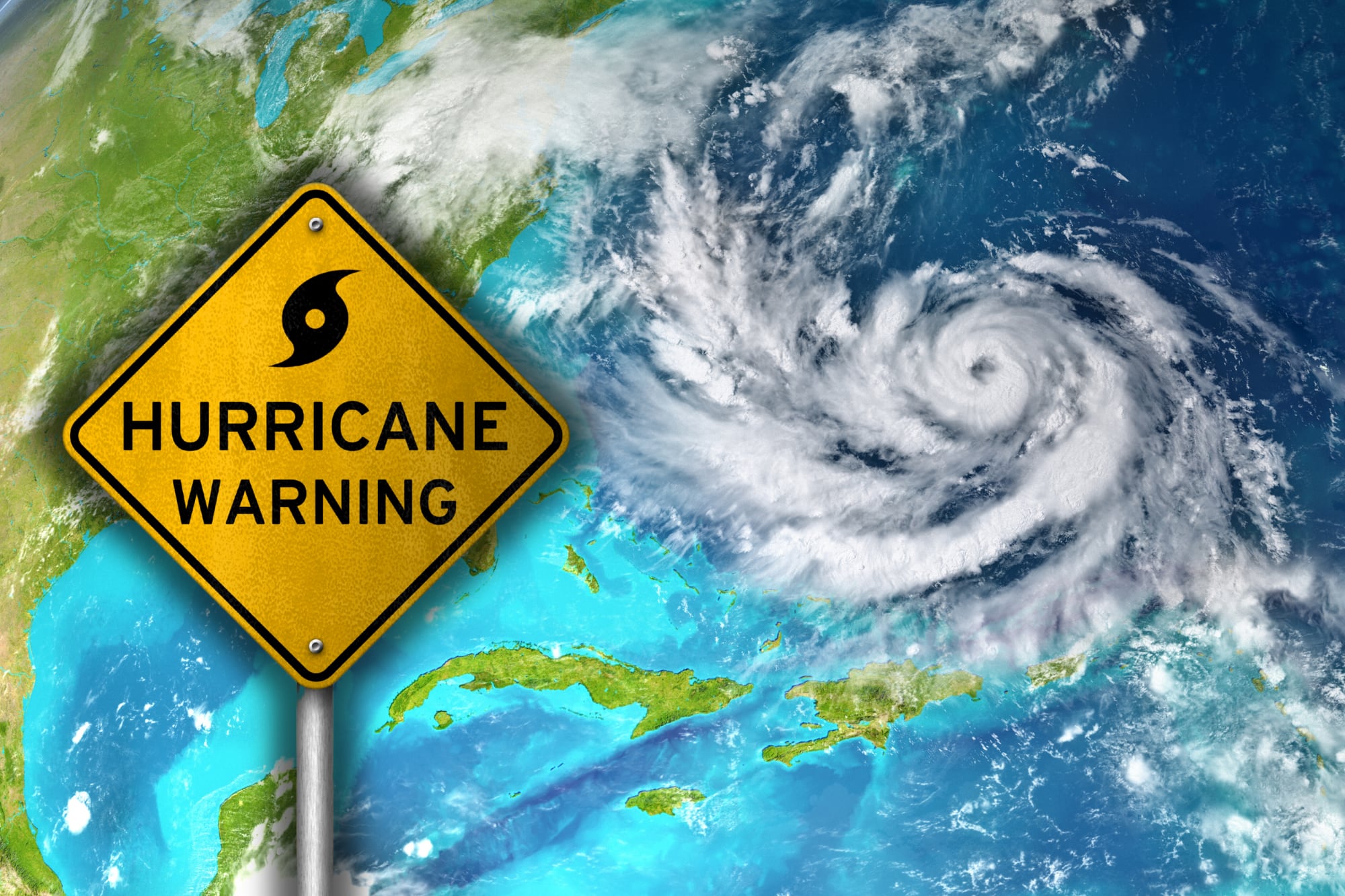
Climate experts are closely monitoring the Atlantic hurricane season, anticipating a potential shift in activity during August. The presence and influence of El Niño are expected to play a significant role in how storm formation evolves over the coming month. El Niño is a climate pattern characterized by the warming of sea surface temperatures in the central and eastern tropical Pacific Ocean. This phenomenon can have far-reaching effects on global weather patterns, including atmospheric circulation and ocean temperatures. The interaction between El Niño and Atlantic sea surface temperatures is a key factor that scientists are examining. Warmer waters generally fuel hurricane development, while certain phases of El Niño can suppress storm activity. Therefore, the specific configuration of El Niño's influence in August will be crucial in determining the intensity and frequency of hurricanes. This period is typically a peak time for hurricane formation in the Atlantic basin. The potential changes could impact coastal communities and preparedness efforts. Further analysis of oceanic and atmospheric conditions will be necessary to provide more precise forecasts.
The potential shift in the Atlantic hurricane season highlights the complex interplay between large-scale climate patterns like El Niño and regional weather phenomena. Understanding these interactions is critical for accurate forecasting and effective disaster preparedness. As climate change continues to influence global temperatures and ocean conditions, the predictability of such events may become increasingly challenging. This underscores the need for robust climate monitoring systems and adaptive strategies to mitigate risks for vulnerable populations and infrastructure. Future preparedness will likely rely on advanced modeling that can better capture these dynamic climatic influences.
AI-generated to prompt reflection — not editorial opinion, not advice, not a statement of fact. How this works.
