Atlantic La Niña and Super El Niño Could Reduce Hurricane Formation in 2026
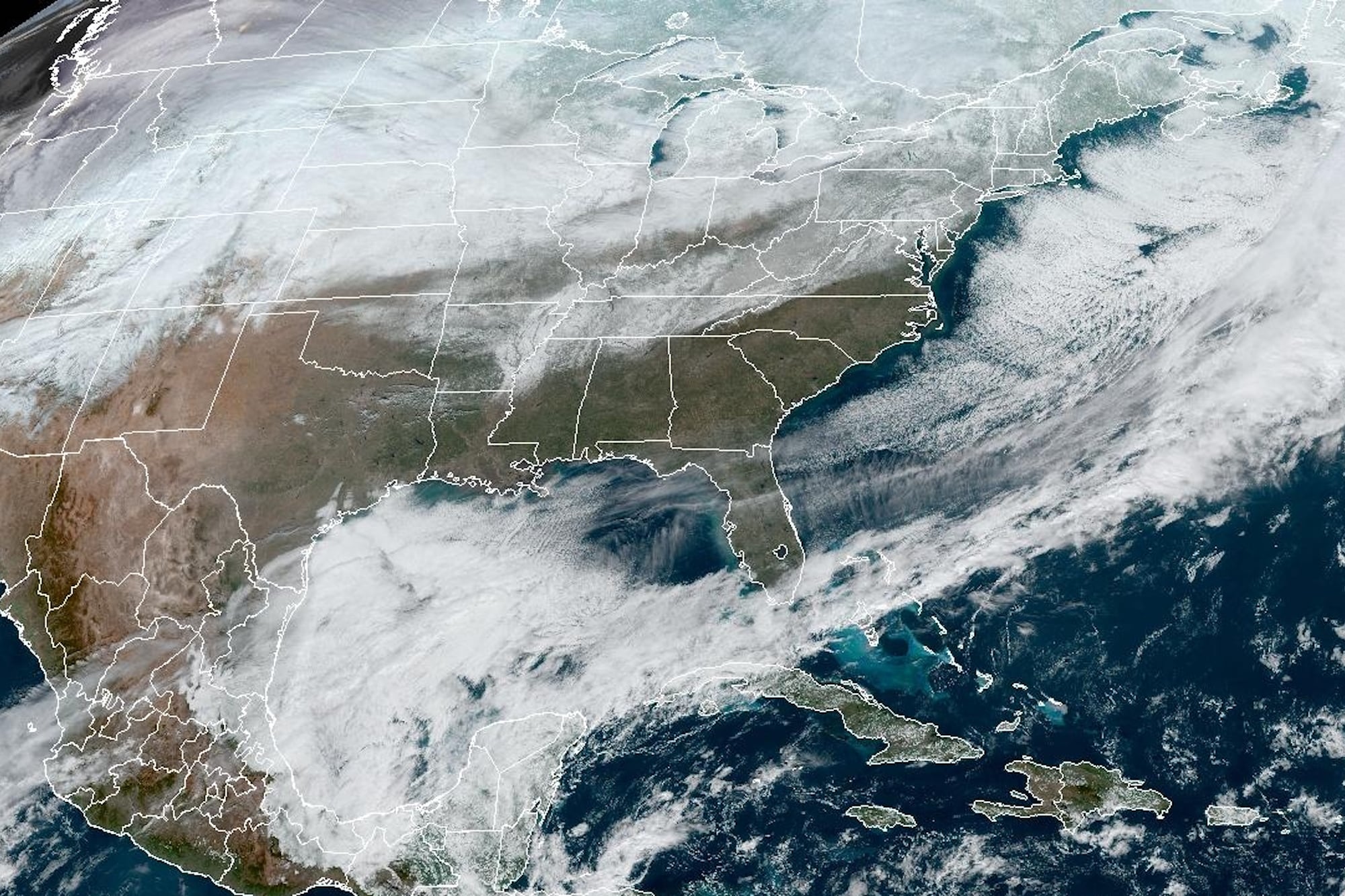
A rare confluence of climatic phenomena, including the Atlantic La Niña and a potential Super El Niño, may significantly reduce hurricane formation in the Atlantic during 2026. This unusual combination of weather patterns is being closely monitored by meteorologists and climate scientists. The Atlantic La Niña typically brings cooler sea surface temperatures and increased wind shear, both of which are unfavorable for hurricane development. Simultaneously, a Super El Niño, characterized by exceptionally strong warming of the Pacific Ocean, can alter global weather patterns, potentially further suppressing Atlantic hurricane activity. The interaction between these two major climate drivers is complex and could lead to a historically quiet hurricane season. Experts are analyzing historical data and running climate models to better understand the potential impacts. This forecast suggests a reduced risk for coastal communities in the Atlantic basin, though preparedness remains crucial. Further updates will be provided as the situation evolves and more data becomes available.
The interplay between the Atlantic La Niña and a potential Super El Niño presents a fascinating case study in global climate system dynamics. While these phenomena might lead to fewer Atlantic hurricanes, it's crucial to analyze the underlying mechanisms. Increased wind shear and cooler sea surface temperatures, typical of La Niña, directly inhibit storm genesis. A Super El Niño, conversely, can influence atmospheric circulation patterns across continents and oceans, potentially steering storm systems away from favorable development zones or weakening them prematurely. This forecast, if accurate, highlights the sensitivity of regional weather patterns to large-scale climate oscillations. Understanding these complex interactions is vital for refining long-term climate projections and for coastal communities to adapt their disaster preparedness strategies. The potential for reduced hurricane activity should not breed complacency, as even a single significant storm can cause widespread damage, underscoring the continuous need for robust infrastructure and early warning systems in the face of evolving climate risks.
AI-generated to prompt reflection — not editorial opinion, not advice, not a statement of fact. How this works.