ATM Hacking Claims Emerge Following Viral Video of App Control
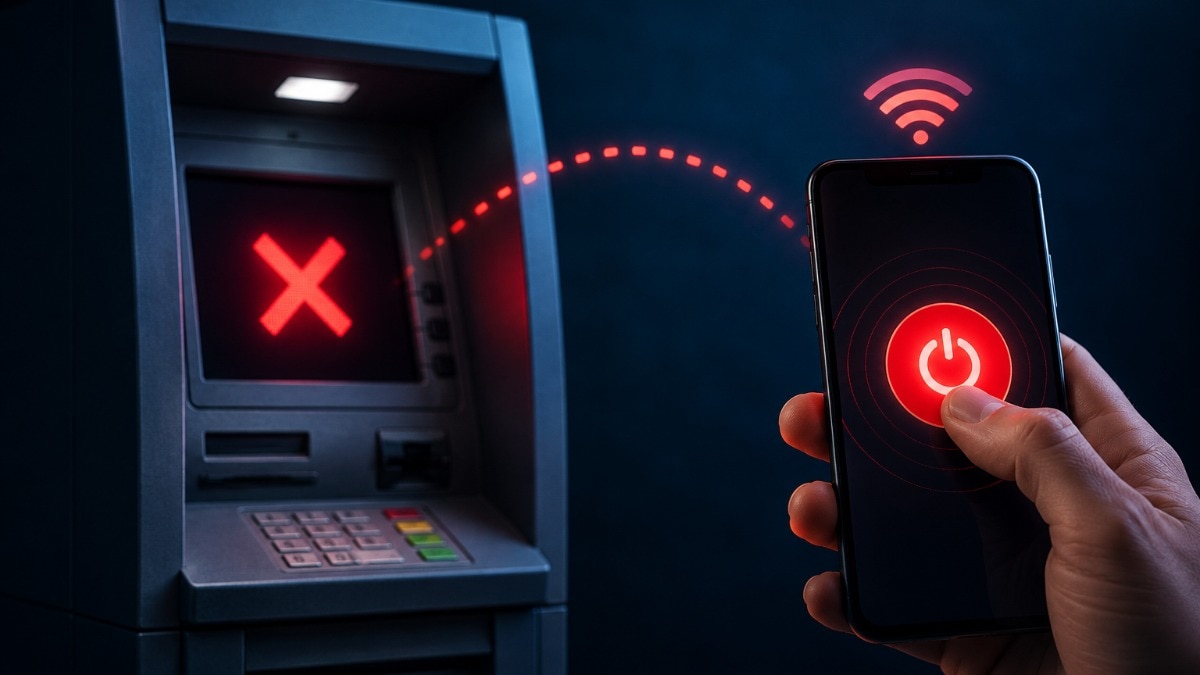
A video is rapidly circulating online, purportedly showing an individual using a mobile application to remotely control and restart an ATM machine. This development follows the recent viral spread of the BAT BMS app, which was reportedly capable of shutting down e-rickshaws. The emergence of this new video raises questions about the potential for similar app-based vulnerabilities affecting critical financial infrastructure. Investigations are underway to determine the authenticity of the video and the extent of the alleged ATM control capabilities. The incident highlights growing concerns about the security of digital systems and their susceptibility to unauthorized access through mobile applications. Authorities are examining whether the app used in the ATM video is the same as the one that affected e-rickshaws or if it represents a new threat. The potential implications for financial security and consumer trust are significant, prompting a thorough review of ATM security protocols. Further details are expected as the investigation progresses.
The viral video alleging ATM control via a mobile app warrants a critical examination of the security architecture of automated teller machines. While the BAT BMS app's disruption of e-rickshaws demonstrated a novel vulnerability, its connection to ATM hacking requires rigorous verification to avoid unsubstantiated panic. The core issue lies in the potential for interconnectedness between disparate digital systems and the evolving sophistication of cyber threats. Future-proofing financial infrastructure necessitates a proactive approach, anticipating how emerging technologies, including mobile applications and IoT integration, could be exploited. This incident underscores the ongoing challenge of balancing digital convenience with robust security measures, prompting a re-evaluation of system resilience against increasingly sophisticated attack vectors.
AI-generated to prompt reflection — not editorial opinion, not advice, not a statement of fact. How this works.