ATR Updates Aircraft Manual and Software After Deadly Vinhedo Crash
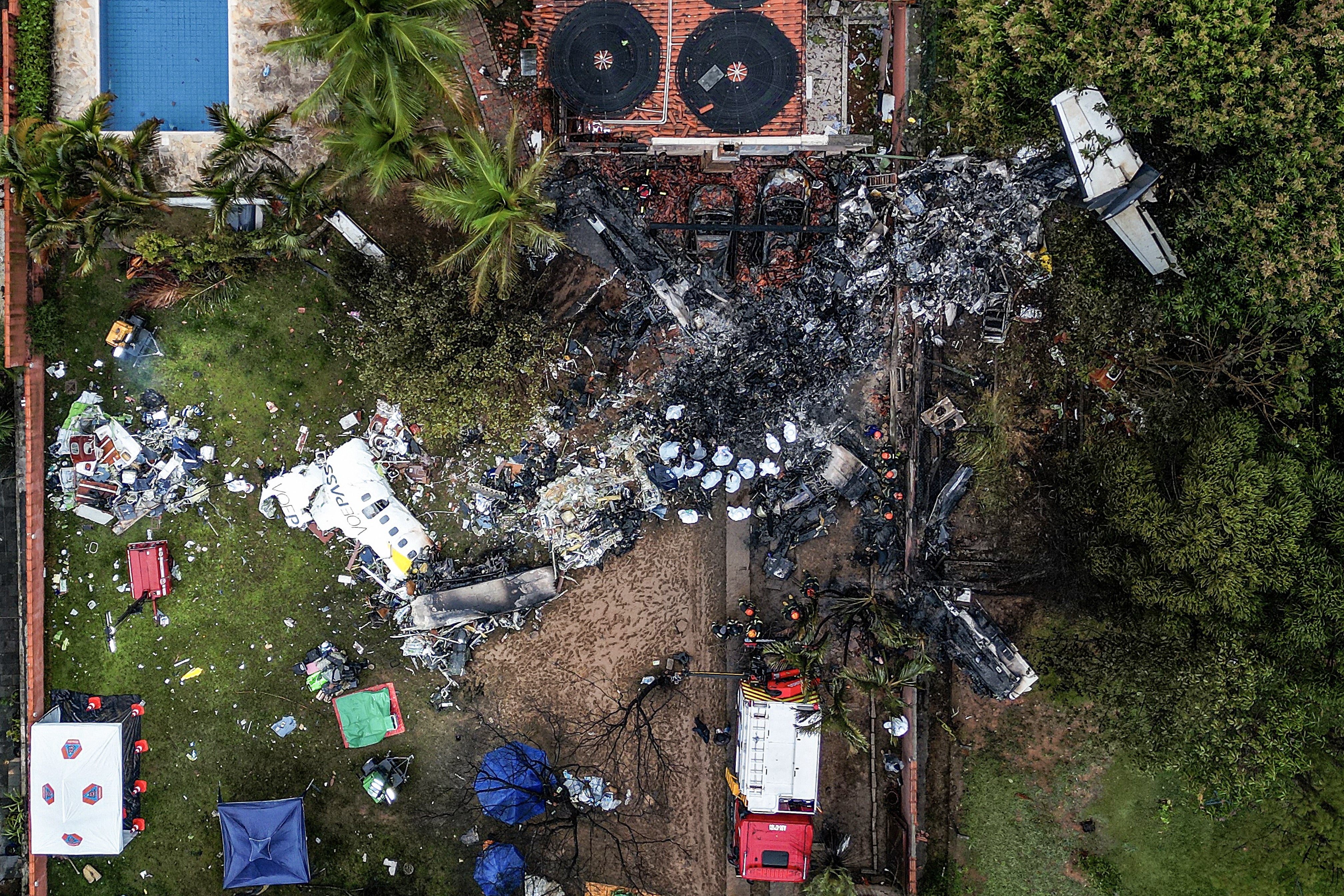
French aircraft manufacturer ATR has implemented changes to its maintenance manual and updated safety systems following the August 2024 crash of Voepass flight 2283 in Vinhedo, Brazil, which resulted in 62 fatalities. These measures are detailed in the final report by the Center for Investigation and Prevention of Aeronautical Accidents (Cenipa). The report identified contributing factors from the airline, crew, and Brazil's National Civil Aviation Agency (Anac).
Specifically, ATR revised the Aircraft Maintenance Manual (AMM) procedure for removing and installing the left elevator position sensor, known as the "syncro transmitter." Although the investigation concluded this specific incorrect installation did not cause the crash, the manual was updated to prevent future errors. Additionally, ATR developed version 2.0 of its Aircraft Performance Monitoring (APM) software, which enhances the monitoring of aircraft performance, particularly in icing conditions. This new software, certified by the European Union Aviation Safety Agency (EASA), includes continuous performance monitoring, adjusted minimum speed limits for icing conditions, and a 60-second delay for alert disappearances to prevent the "flickering" effect that can desensitize crews to warnings.
Cenipa also issued safety recommendations to EASA for further improvements, including revising the "degraded performance" procedure to require immediate crew action, enhancing procedures for "low bank" mode in icing conditions, and reclassifying the "increase speed" alert from amber to red to heighten crew awareness of performance loss. The report also suggests recording additional parameters on the flight data recorder, such as de-icing system failures and "stick pusher" activations. The accident, involving an ATR 72-500, was the most severe in Brazilian aviation since 2007.
The investigation into the Voepass flight 2283 crash highlights critical systemic issues within aviation safety, extending beyond a single incident. The manufacturer's proactive updates to maintenance procedures and software demonstrate a commitment to learning from past events and mitigating future risks. However, the report's findings, including a "culture of normalization of deviations" at Voepass and the potential for pilots to "disregard" alerts, suggest a broader challenge in ensuring consistent adherence to safety protocols across the industry. The analysis of alert systems and crew response underscores the complex interplay between technology, human factors, and operational discipline. Future efforts may need to focus on reinforcing the training and cultural frameworks that support the effective utilization of advanced safety systems, ensuring that technological advancements translate into tangible improvements in operational safety and resilience in an increasingly complex air travel environment.
AI-generated to prompt reflection — not editorial opinion, not advice, not a statement of fact. How this works.