Attack on Officials During Visit to North Dhaka Waste Site
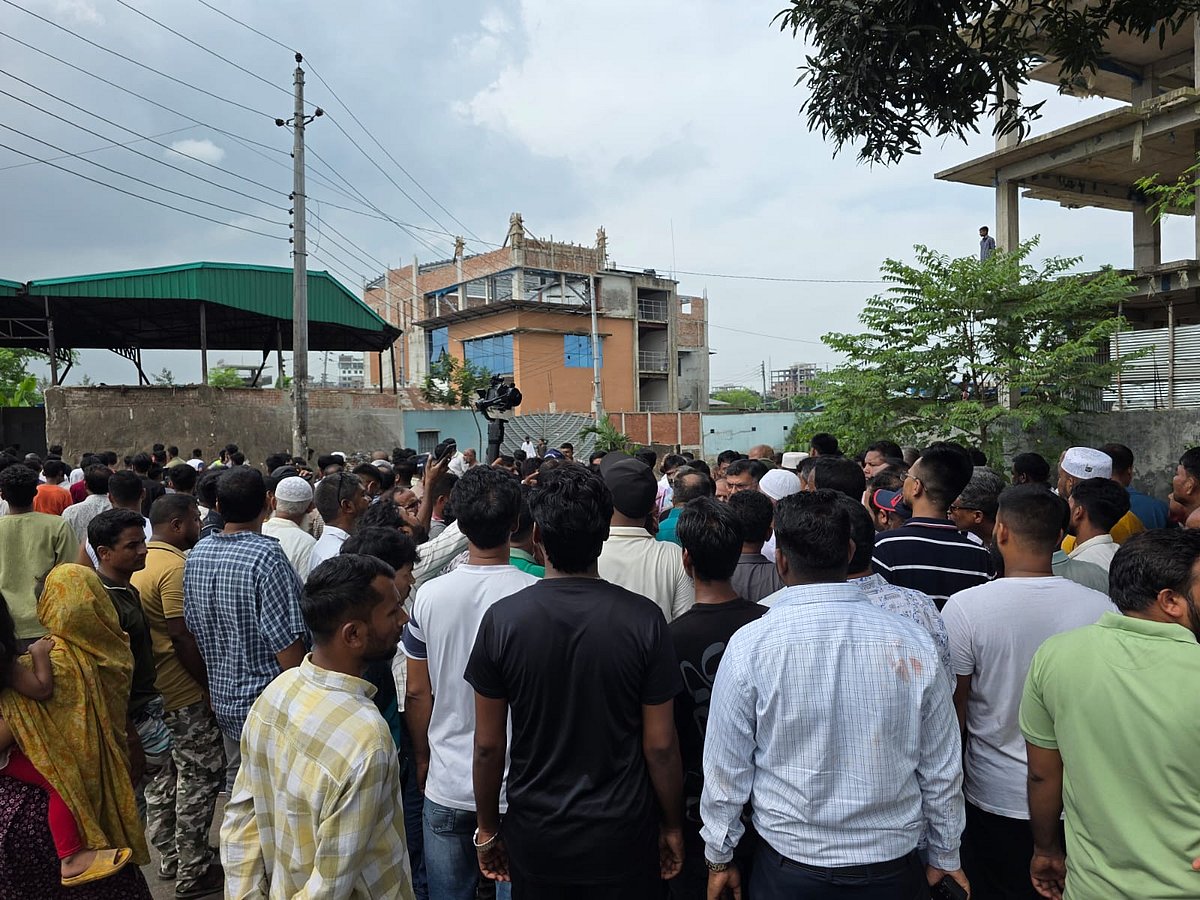
An attack occurred in Dhaka's Uttarkhan area on Sunday afternoon when officials visited a temporary waste transfer station (STS) following an earlier assault on sanitation workers. Dhaka North City Corporation (DNCC) Administrator Shofiqul Islam Khan and Dhaka-18 Member of Parliament SM Jahangir Hossain were visiting the Rajabari area's STS site when the incident took place. The DNCC's public relations department stated that 'terrorists' from a garment company launched a sudden attack on the officials. Earlier in the day, owners and associates of Neptune Accessories, a garment company, allegedly attacked 15 to 20 sanitation workers at the STS. Four of the severely injured workers were admitted to the Kuwait-Bangladesh Friendship Government Hospital in Uttara. When Administrator Shofiqul Islam Khan and MP SM Jahangir Hossain, along with the local police chief and officers, arrived at the scene to investigate, the situation escalated. The DNCC and MP alleged that 'hired terrorists' from the garment factory owners' side launched a surprise attack in their presence, resulting in several injuries. Police subsequently arrested three individuals, including one from the factory ownership. Following the incident, the DNCC Administrator and MP visited the injured sanitation workers at the hospital, with Administrator Khan vowing strict legal action against those involved. Neptune Accessories authorities have not yet provided a statement regarding the incident.
This incident highlights potential governance challenges in urban waste management and industrial relations. The confrontation, escalating from an initial attack on sanitation workers to an assault on public officials, suggests a breakdown in regulatory oversight or enforcement concerning industrial operations and their impact on public services. The alleged involvement of a garment company and the use of 'hired terrorists' point to possible disputes over land use, environmental regulations, or labor practices that are being resolved through extralegal means. Future efforts should focus on strengthening mechanisms for conflict resolution between industries and municipal services, ensuring accountability for violent actions, and clarifying land use and operational boundaries to prevent such escalations. The situation underscores the need for robust legal frameworks and enforcement to protect public infrastructure and workers, while also addressing the underlying incentives that might lead businesses to resort to such tactics.
AI-generated to prompt reflection — not editorial opinion, not advice, not a statement of fact. How this works.