Auckland Residents Decry Neglected Kainga Ora Homes as Dumping Grounds
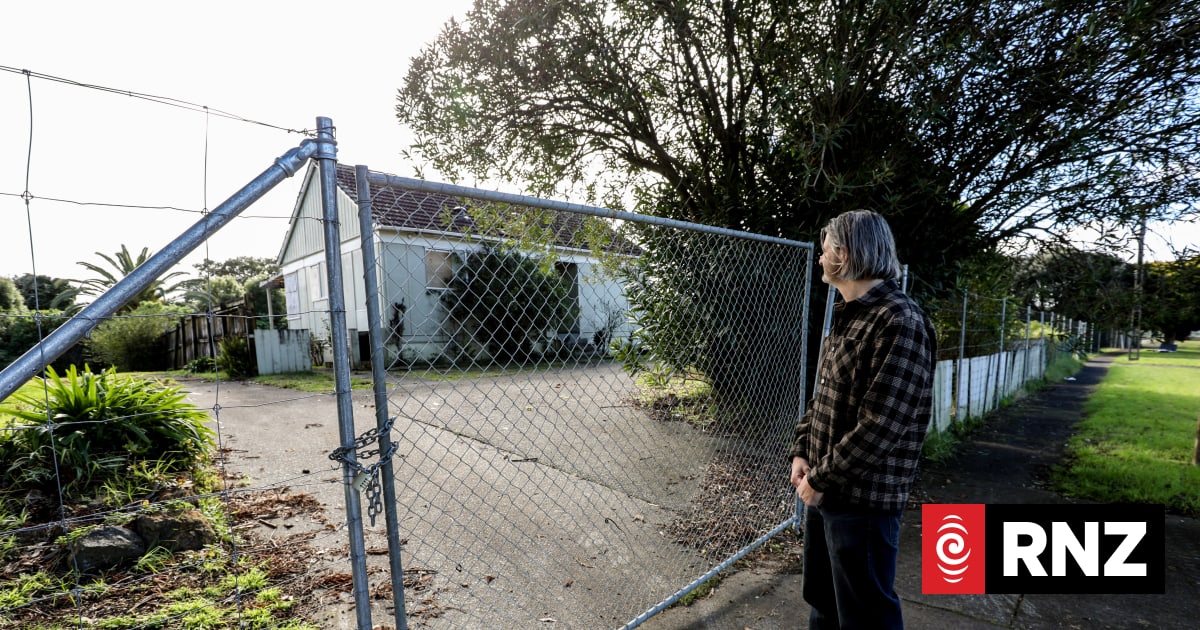
Residents of Auckland are expressing frustration over numerous Kainga Ora properties that have been left vacant and are subsequently becoming sites for illegal dumping. These 'ghost homes' are reportedly attracting a significant amount of waste, leading to unsanitary conditions and a decline in community aesthetics. The situation has reached a point where locals feel neglected by the authorities responsible for managing public housing. City councillor has voiced concerns, stating that the community feels abandoned due to the ongoing issues with these unoccupied properties. The accumulation of dumped materials poses not only an eyesore but also potential health and environmental hazards for the surrounding neighborhoods. Residents are calling for urgent action to address the state of these homes and the persistent problem of illegal dumping. The lack of maintenance and security at these sites appears to be a key factor enabling the illegal activities. This issue highlights a broader concern about the management and upkeep of state-owned housing stock within the city.
The situation in Auckland reflects a common challenge in urban housing management, where the vacancy and disrepair of public housing can create negative externalities for surrounding communities. The incentive structures for housing authorities must balance the cost of maintenance and development against the social cost of neglect, which includes potential public health risks and community dissatisfaction. From a systems perspective, the 'ghost homes' represent a failure in asset management, potentially stemming from bureaucratic inefficiencies or funding allocation issues. Over the next decade, as urban populations grow and housing demand intensifies, such neglected assets could become flashpoints for social tension and require more costly remediation. Addressing this proactively through better maintenance protocols, community engagement, and potentially faster repurposing or demolition strategies could mitigate future problems and improve the quality of life for residents.
AI-generated to prompt reflection — not editorial opinion, not advice, not a statement of fact. How this works.