Audio Reveals Brazilian Police Officers Funded by Illegal Miners in Yanomami Territory
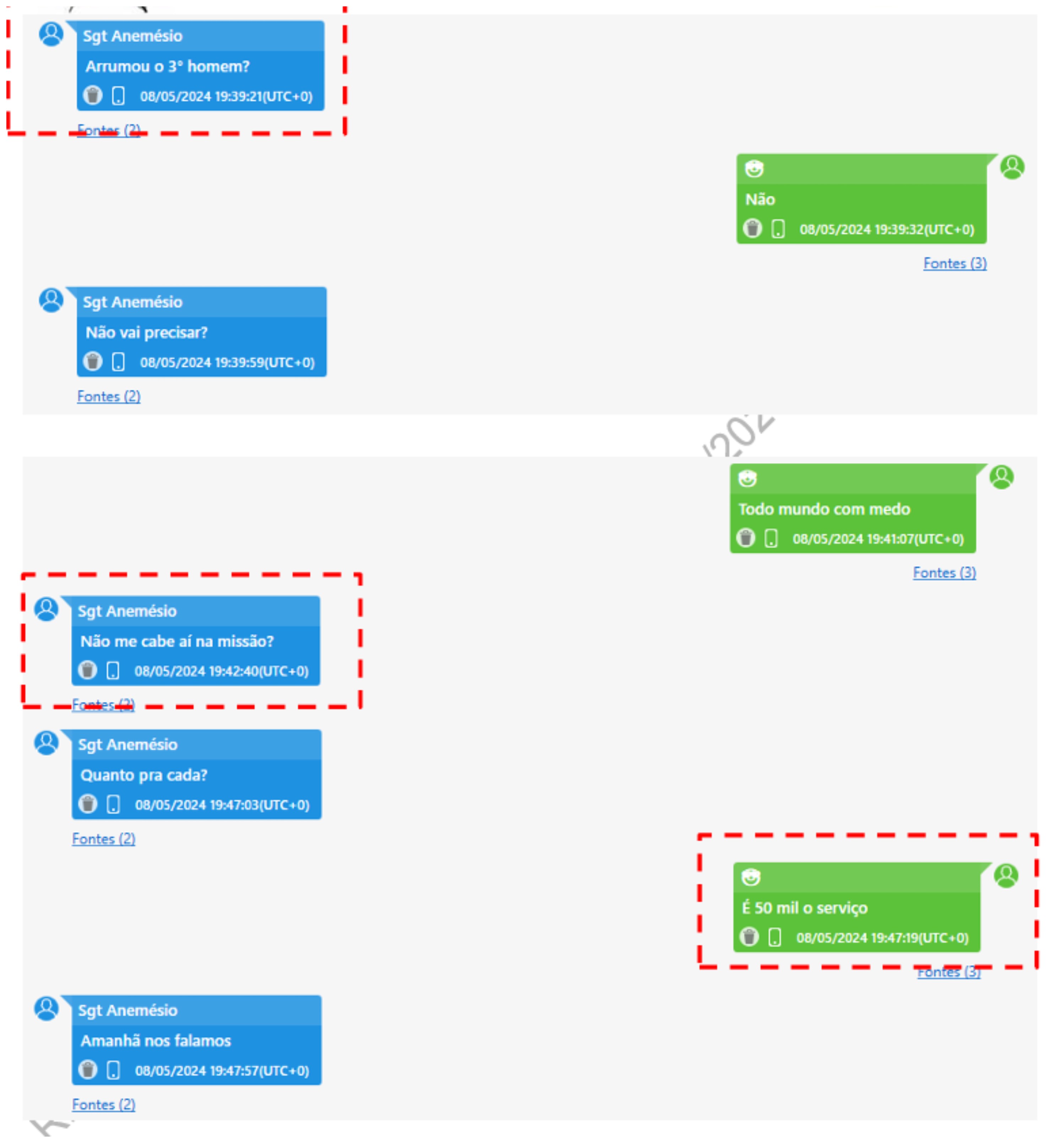
Unpublished audio recordings have exposed a criminal network of military police officers in Roraima, Brazil, who were allegedly financed by illegal gold miners operating within the Yanomami Indigenous Territory. These officers are accused of receiving financial payments from criminals to carry out assassinations and of providing inside information on arrests of their associates from within police barracks. The scheme came to light following the murder of gold miner José Roberto Souza da Silva in May 2024 in Boa Vista. Silva, initially part of the criminal group, had reportedly become a police informant, leading to the exposure of the network. The investigation has resulted in disciplinary councils being established against three sergeants suspected of involvement in the homicide: Anemésio Silva da Cunha, Starley Vieira da Silva, and Everson Brasil da Silva. The Military Police stated that the disciplinary process ensures the officers' right to a full defense and that they have been suspended from duty pending the investigation's outcome, with potential expulsion from the force. The defense for Everson Brasil has denied his involvement in the murder, citing ballistic reports that allegedly exclude his firearm and disputing accusations of victim surveillance. The recordings, part of an investigation by the Department of Intelligence, Public Security Secretariat, and Homicide Division, detail how the officers provided logistical support and contract killing services to mining groups. One audio recording features Sergeant Starley Vieira da Silva discussing financial arrangements with Everson Brasil, indicating that expenses were covered by Lidivan Santos dos Reis, a businessman identified as 'Patrão' (Boss) and allegedly the mastermind behind the mining operations and Silva's murder. The audio reveals plans for the ambush of José Roberto, with Starley stating, 'we have to do this thing tomorrow, one way or another, because at least his boss is already sending us the Pix, we'll get this thing done and relieve ourselves.' Expenses included fuel and vehicle maintenance, with ongoing debt keeping the group's activities funded. Further audio shows Starley coordinating the assassination date based on loan repayments to fellow officers within the criminal group. The scheme began to unravel when Sergeant Starley was stopped driving a vehicle matching the description of the one used in the murder, leading to data extraction from his phone that revealed detailed planning, including the search for untraceable weapons and the use of a former member's widow to lure the victim into an ambush. Sergeant Anemésio da Cunha also expressed willingness to participate in the operation, inquiring about payment for a '3rd man' for the mission, with Starley quoting '50 thousand for the service.' The investigation also uncovered evidence of the group using police structures to monitor legal proceedings against allies, with Sergeant Starley allegedly using the Capital Policing Command as a base to track arrest warrants, including one for Captain Helton John Silva de Souza, who was arrested on May 10, 2024, for a separate murder case. While Captain Helton was mentioned in a message concerning his presence at the barracks before his arrest became public, the current investigation documents reportedly show no direct evidence linking him to the group of officers under scrutiny. Lidivan Santos dos Reis, the alleged mastermind, commanded illegal gold extraction at 'Garimpo do Pupunha' and has a history of arrests for possessing heavy weaponry. He reportedly enlisted the help of former military police officer Gilson Viana Gomes, known as 'Mutum,' who allegedly provided victim information to the shooters while Lidivan Santos dos Reis directly transferred funds for the operation.
This case highlights a critical nexus between illicit resource extraction and state security forces, raising significant governance concerns. The alleged corruption within the Military Police, involving financial incentives from illegal mining operations to facilitate criminal activities including murder, suggests systemic vulnerabilities. Such arrangements not only undermine the rule of law and indigenous rights but also create a dangerous feedback loop where criminal enterprises gain both operational capacity and protection from law enforcement. The investigation's reliance on audio recordings indicates a sophisticated internal intelligence effort, yet the alleged infiltration of police structures for monitoring legal actions against associates points to a deep-seated challenge in maintaining institutional integrity. Moving forward, strengthening oversight mechanisms, ensuring transparent disciplinary processes, and addressing the socioeconomic drivers of illegal mining are essential to preventing future instances of such corruption and protecting vulnerable territories and populations.
AI-generated to prompt reflection — not editorial opinion, not advice, not a statement of fact. How this works.