August 12, 2026: A Celestial Spectacle of Eclipses, Meteors, and Galaxies
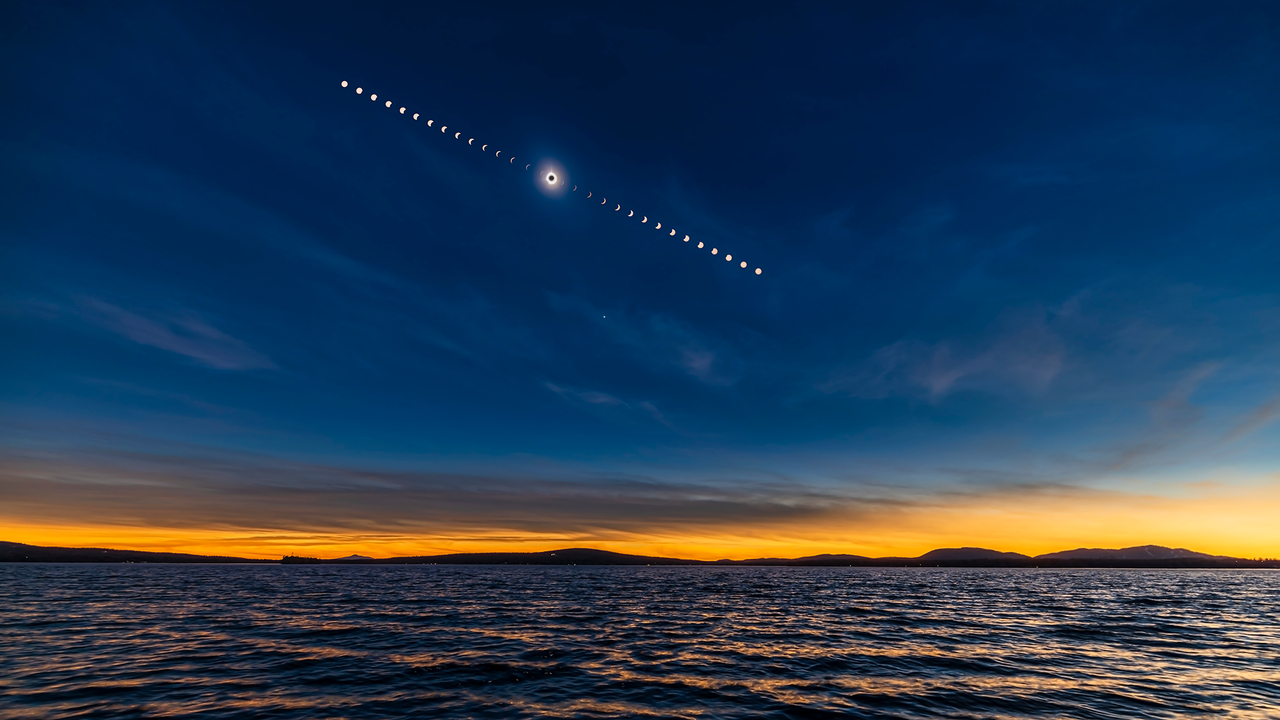
Skywatchers are in for a treat on August 12, 2026, as the day and night promise an extraordinary display of celestial events. This date marks a rare convergence of astronomical phenomena, making it potentially one of the most significant skywatching opportunities in years. The highlights include a total solar eclipse, offering a breathtaking view of the Sun's corona. Additionally, the peak of the annual Perseid meteor shower will illuminate the night sky with numerous shooting stars. Venus will also be visible at its dichotomy phase, presenting a unique crescent shape through telescopes. To cap it all off, the Milky Way galaxy will be at its annual brightest, providing a stunning backdrop for these events. This combination of a total solar eclipse, a meteor shower, planetary observation, and a brilliant galactic view is expected to create an unparalleled night for stargazing.
The convergence of multiple significant astronomical events on August 12, 2026, presents a unique opportunity for public engagement with science and astronomy. Such events can foster widespread interest in space exploration and scientific understanding, potentially driving educational initiatives and technological innovation in related fields. From a systems perspective, the predictability of these celestial alignments highlights the enduring power of scientific observation and mathematical modeling. The challenge lies in maximizing accessibility and educational impact, ensuring that these moments translate into lasting scientific literacy and curiosity for a broad audience, rather than remaining fleeting spectacles.
AI-generated to prompt reflection — not editorial opinion, not advice, not a statement of fact. How this works.