August 12, 2026 Solar Eclipse: Planning for Observation and Photography
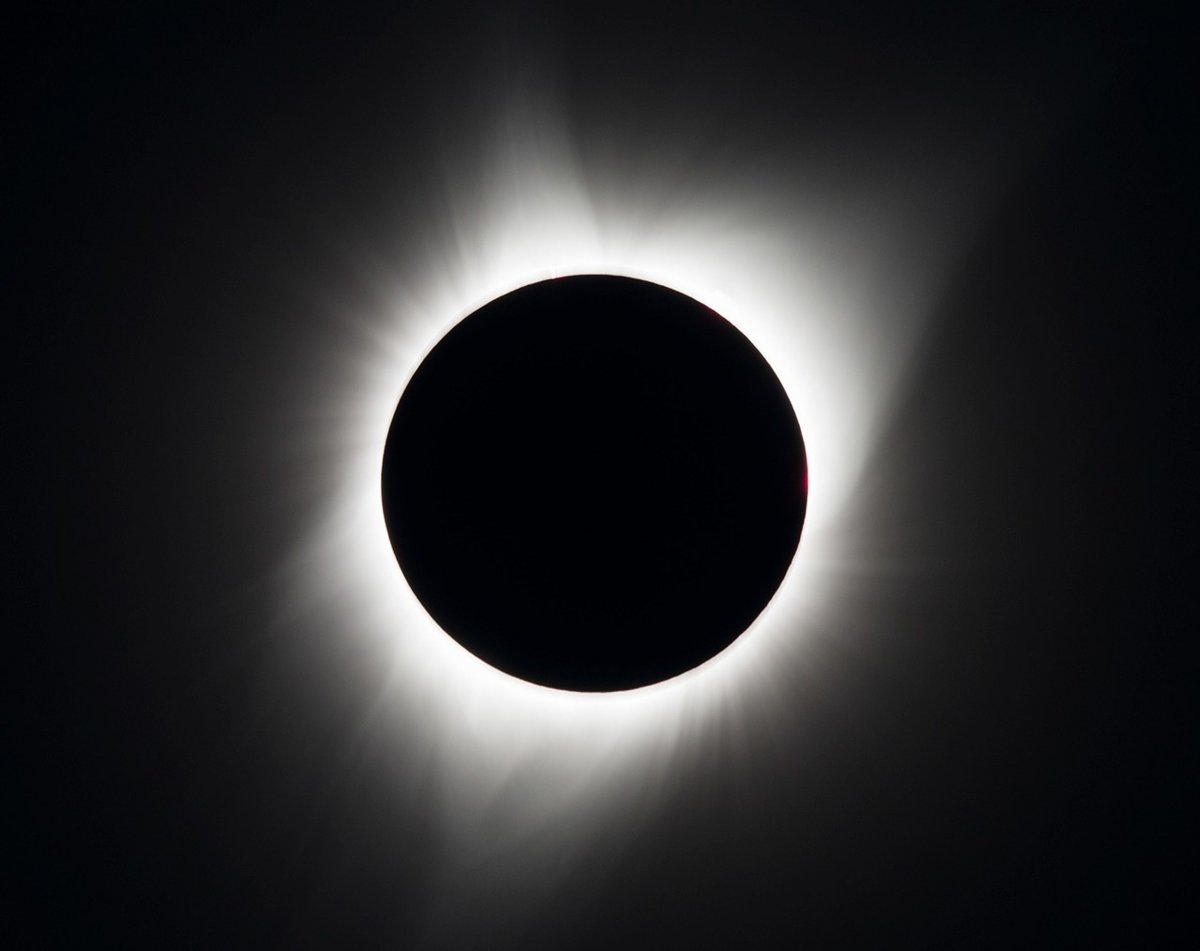
The solar eclipse on August 12, 2026, presents several challenges for photographers aiming to capture the event. Success or disappointment will largely depend on factors such as the eclipse's altitude, the horizon, and the chosen observation location. Photographers must carefully consider these elements to ensure optimal viewing and image capture. The specific positioning of the sun relative to the horizon at the time of the eclipse is crucial. Altitude plays a significant role in the clarity and accessibility of the view. Therefore, meticulous planning regarding the viewing site is essential for anyone hoping to photograph this celestial phenomenon. The article likely provides detailed guidance on how to mitigate these challenges and maximize the chances of a successful photographic outcome.
The upcoming solar eclipse on August 12, 2026, highlights the intersection of natural phenomena and technological capture. Planning for such events underscores the importance of environmental factors like altitude and horizon, which can significantly impact observational success. This situation prompts consideration of how technological advancements in photography and data capture are increasingly reliant on precise environmental conditions. Future planning for astronomical events may need to integrate more sophisticated predictive modeling for optimal viewing and photographic opportunities, accounting for geographic variables and atmospheric conditions. The challenge for photographers illustrates a broader theme of optimizing human endeavors within natural systems.
AI-generated to prompt reflection — not editorial opinion, not advice, not a statement of fact. How this works.
