August 2026 Skywatching: Eclipses, Meteors, and Planetary Views
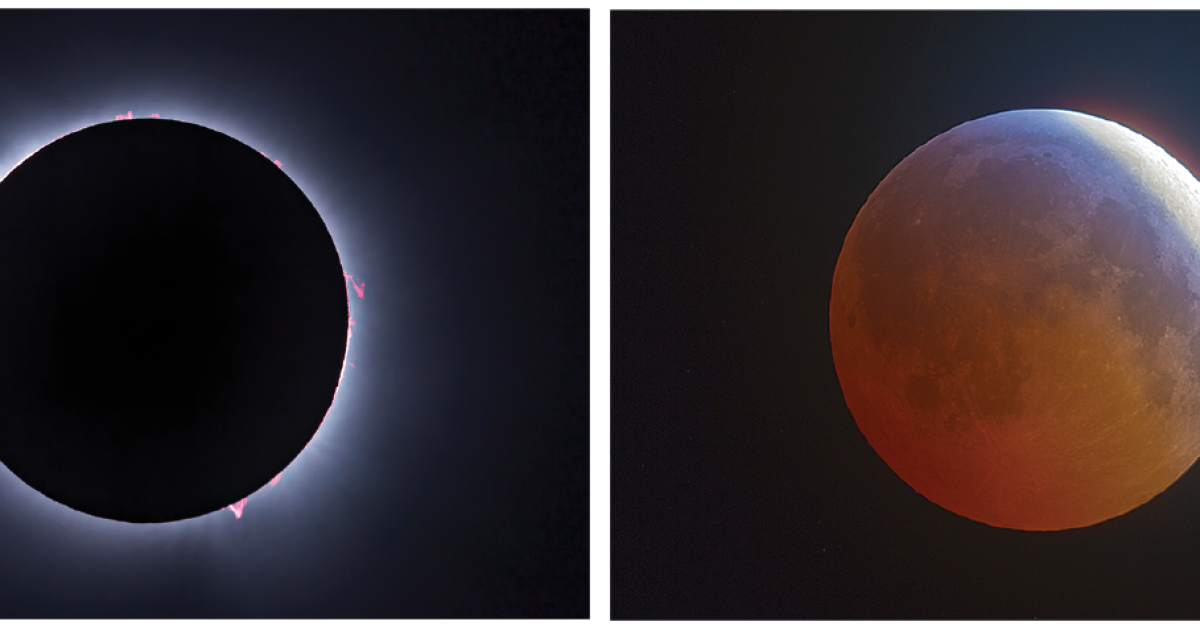
August 2026 promises a celestial spectacle for skygazers. A partial lunar eclipse will be observable throughout the United States, offering a chance to witness the moon's subtle dimming. Meanwhile, Europe will experience the awe of a total solar eclipse. Following sunset, Venus will be a prominent sight, reaching a significant 50% illumination. Much of the month's planetary activity will unfold after midnight, with Saturn and Neptune ascending in the constellation Pisces. Early morning observers can anticipate a beautiful conjunction between Jupiter and Mercury. Additionally, Mars will transition into the constellation Gemini. These events, alongside the anticipated Perseid meteor shower, make August 2026 a noteworthy month for astronomy enthusiasts.
The August 2026 celestial events, including solar and lunar eclipses and meteor showers, are predictable astronomical phenomena. While offering public engagement opportunities with science, their occurrence highlights the ongoing human fascination with the cosmos. The visibility of these events across different regions, such as the lunar eclipse in the U.S. and the solar eclipse in Europe, underscores the Earth's rotation and orbital mechanics. The prominence of planets like Venus, Jupiter, and Saturn serves as a constant reminder of our solar system's structure and dynamics, encouraging continued observation and education in astronomy.
AI-generated to prompt reflection — not editorial opinion, not advice, not a statement of fact. How this works.