August 4, 2026: A Snapshot of Rural Bangladesh
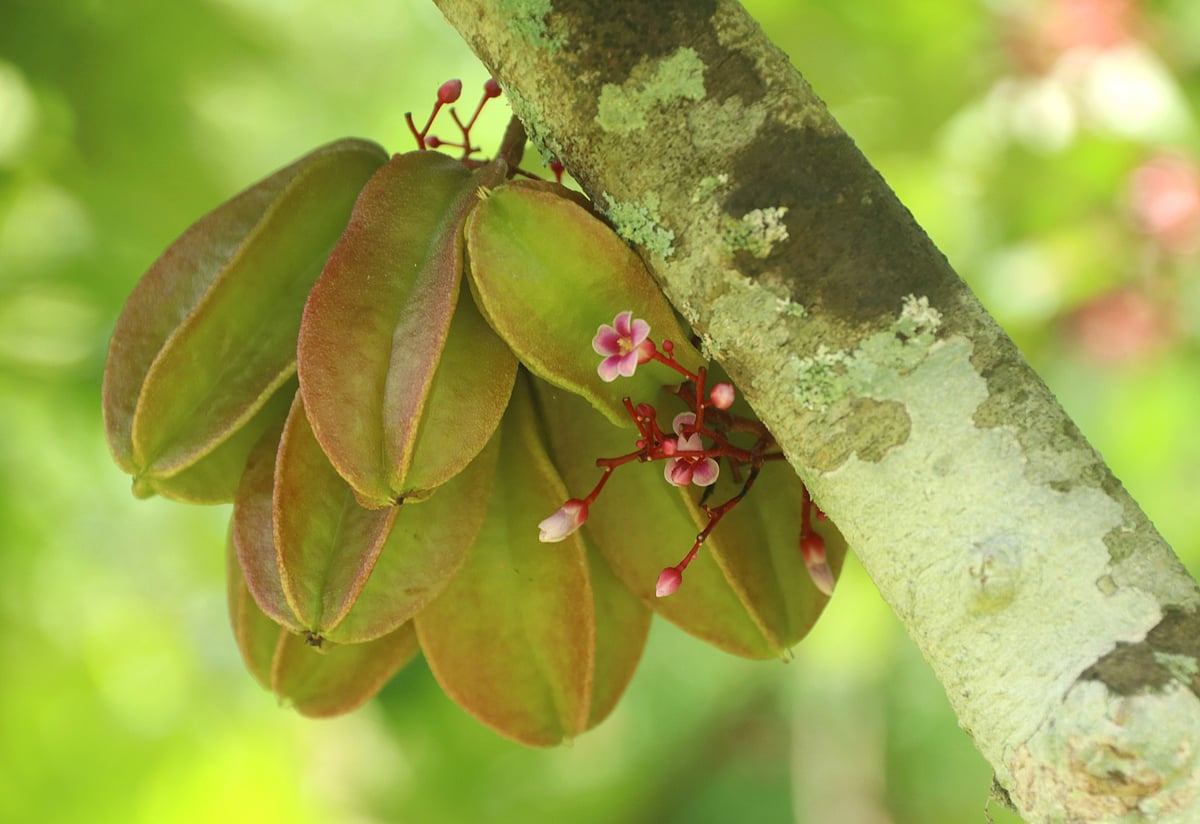
Photographs from various locations across Bangladesh on August 4, 2026, capture scenes of daily life and environmental conditions. In Dighalchari, Rangamati, carambola fruits are beginning to turn yellow, evoking a sense of anticipation for their ripeness. A kingfisher is seen perched on dry branches in the water at Bartopa, Sreepur, Gazipur. Meanwhile, the Gwalychhara canal in Sreepur, Gazipur, a vital drainage route, is choked with plastic, polythene, and other waste, hindering water flow and increasing the risk of waterlogging. In Tulagram, Faridpur, a farmer is transplanting Aman paddy seedlings from a nursery to a field, marking the paddy planting season. A craftsman in Keshabnagar, Faridpur, is arranging handmade baskets on a van to take them to market, highlighting their necessity for household and wholesale vegetable trade. Dewdrops glisten on lemon leaves and flowers in Kamilachari, Rangamati, after morning rain. The Dhaka-Pennai-Motlob road in Ichhapur, Daudkandi, Comilla, has developed large potholes due to continuous rainfall, causing hardship for commuters and drivers. Construction workers are seen precariously traveling on vehicles carrying brick-breaking machinery in Balakwar, Rangpur. Students are depicted walking to school, a daily journey of approximately two kilometers, in Gugrachari, Khagrachhari. Finally, a farmer carries paddy seedlings on their head from a distant nursery towards a field in Kukrul, Rangpur.
This collection of images offers a visual diary of rural Bangladesh on a specific date, showcasing both the natural beauty and the environmental challenges faced by its communities. The scenes highlight the agricultural rhythms, such as paddy planting, alongside the persistent issue of plastic pollution impacting water drainage systems. The juxtaposition of traditional crafts like basket making with the risks undertaken by construction workers underscores the diverse economic activities and associated safety concerns. The reporting implicitly points to the need for integrated solutions addressing waste management, infrastructure development, and occupational safety to ensure sustainable livelihoods and environmental health in the face of ongoing development and climate impacts.
AI-generated to prompt reflection — not editorial opinion, not advice, not a statement of fact. How this works.
