Aunt of Baby in Kidnap Attempt to Be Charged with Defamation
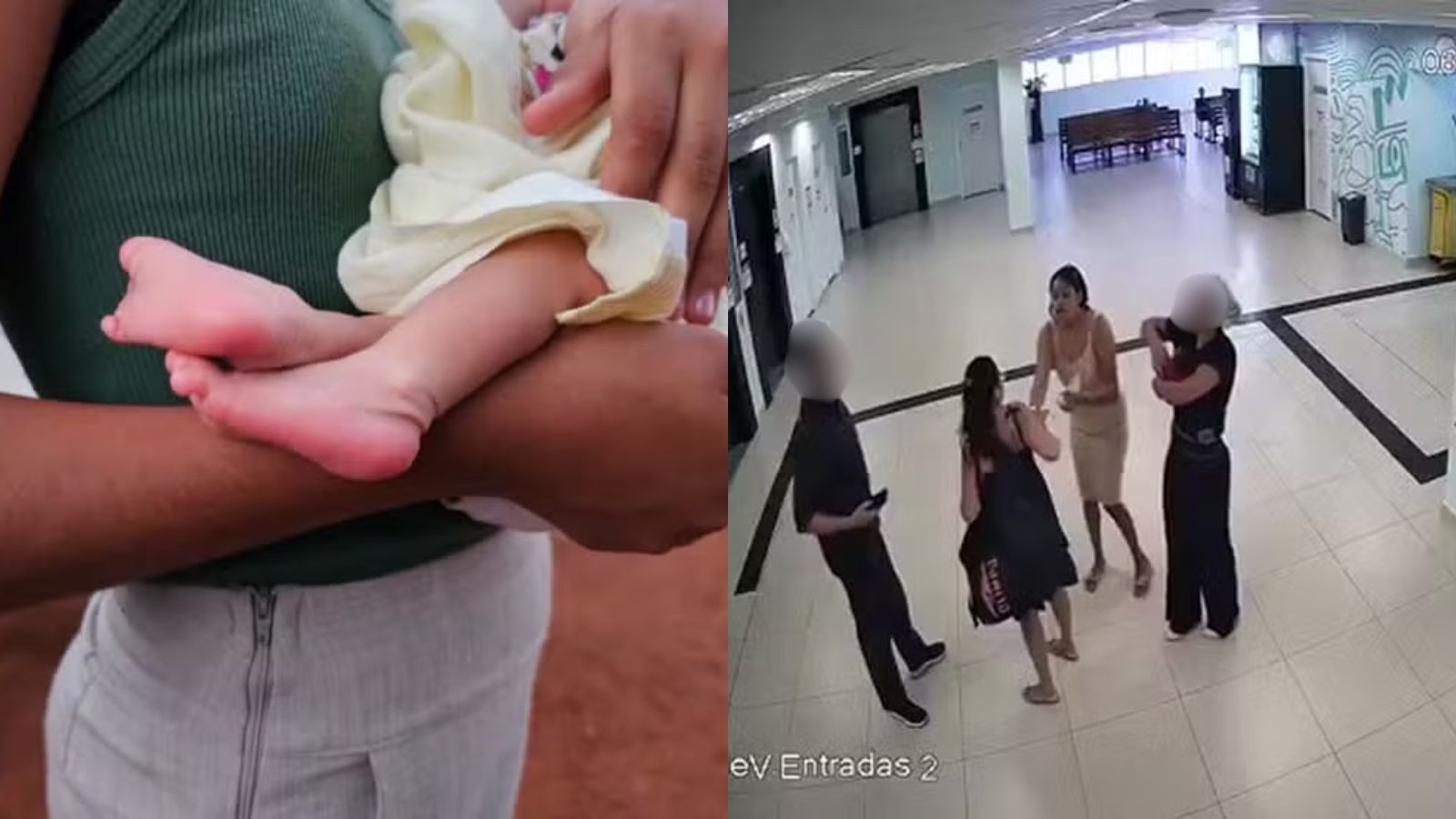
Daniela Beatriz, the aunt of a newborn who was the target of an attempted kidnapping at the Dona Evangelina Rosa Maternity Ward in Teresina, Brazil, will be indicted for slander and qualified defamation. Her defense claims her social media posts were intended solely to raise awareness of the crime and aid in its investigation. Police delegate Amanda Bezerra stated that Beatriz published the name and image of a maternity ward supervisor who had no involvement in the attempted kidnapping. This supervisor subsequently filed a police report, citing damage to her honor. Beatriz's lawyer, Carlos Eduardo Costa, argued that her emotional distress following the incident, where she thwarted the kidnapping, meant she lacked intent to harm anyone's reputation. He asserted that her primary goal was to publicize the case, questioning if it would have gained traction otherwise. The defense also highlighted Beatriz's current state of fear and anxiety, feeling like an accused party after reporting a crime. The husband of the supervisor confirmed his wife remains deeply affected, concerned for her career and physical safety due to the false accusations. He stated that attempts to contact Beatriz to clarify the supervisor's non-involvement were ignored. Beyond criminal charges, Beatriz may also face civil liability for the supervisor's image disclosure. The attempted kidnapping occurred in July 2025 when a nursing technician allegedly tried to leave the maternity ward with the infant, but was stopped by Beatriz. The nursing technician was arrested and is under investigation. Beatriz's subsequent social media posts led to a new inquiry, concluding that her actions harmed the supervisor's honor and reputation.
The case highlights the complex interplay between public vigilance, social media's amplification effect, and legal accountability. While social media can be a powerful tool for citizen journalism and raising awareness of critical incidents, it also carries risks of misidentification and reputational damage, particularly when individuals act under duress. The legal system's response, focusing on defamation charges, seeks to balance the right to free expression and public information against the protection of individual honor and privacy. This situation underscores the need for clear protocols in emergency situations to ensure accurate information dissemination and to protect individuals from unwarranted public scrutiny, especially in the digital age where information, once released, is difficult to retract or control. Future systems may need to incorporate better mechanisms for verifying information shared online during crises and provide clearer guidance on responsible citizen reporting.
AI-generated to prompt reflection — not editorial opinion, not advice, not a statement of fact. How this works.