Australia Confronts Potential Bird Flu Catastrophe in Wildlife
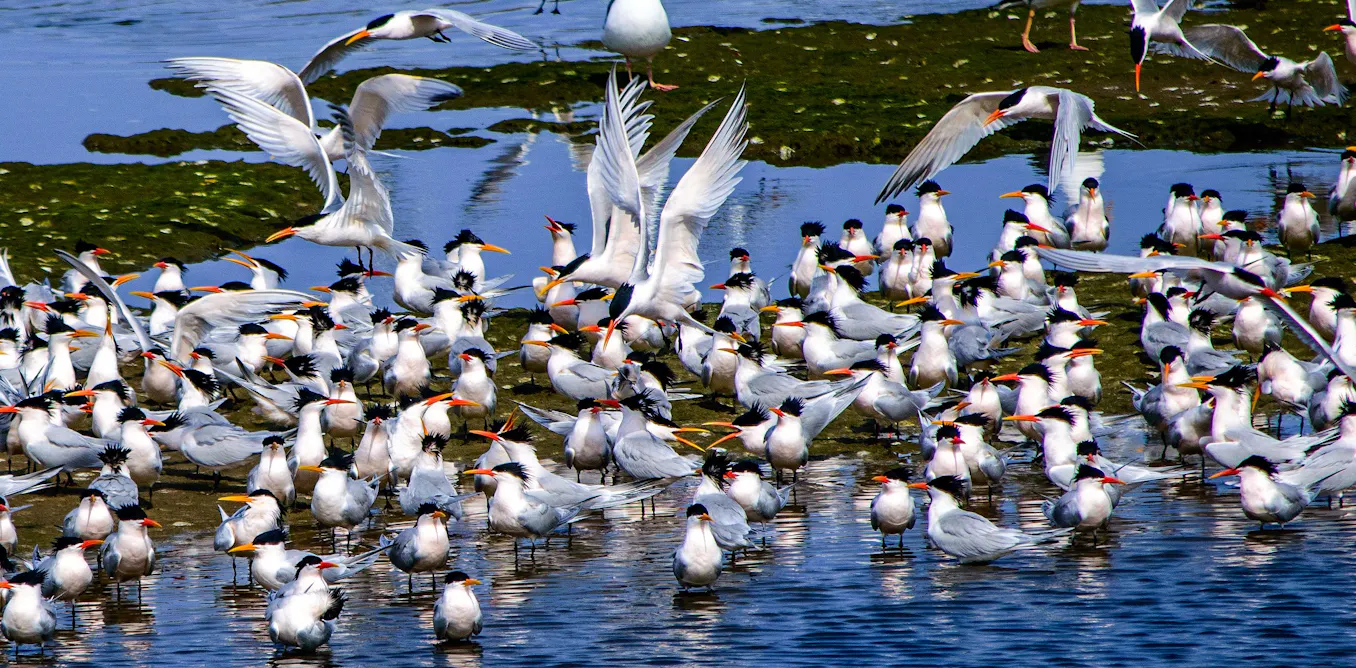
Australia is now facing the significant threat of a devastating bird flu outbreak within its wildlife populations. The country acknowledges that preventing the movement of wild birds is impossible, a key factor in the spread of avian influenza. Therefore, the focus must shift from containment of the birds themselves to managing the outbreak effectively. The critical challenge lies in transforming a potentially unmanaged catastrophe into a closely tracked and controlled event. This requires robust surveillance, rapid response mechanisms, and potentially coordinated efforts to mitigate the impact on both wild bird populations and any potential spillover risks to domestic poultry or even humans. The current situation demands proactive measures to monitor the disease's progression and implement strategies to minimize its devastating effects across the Australian ecosystem.
The emergence of avian influenza in Australian wildlife presents a critical public health and ecological challenge. The inherent mobility of wild bird populations makes complete containment infeasible, necessitating a strategic shift towards intensive monitoring and management. This situation highlights the complex interplay between wildlife health, biosecurity, and potential zoonotic risks, demanding robust governmental and scientific frameworks. Future preparedness will likely involve enhanced surveillance technologies, rapid diagnostic capabilities, and international cooperation to track viral evolution and prevent widespread transmission. The long-term implications may include significant biodiversity impacts and the need for adaptive strategies in agricultural and conservation sectors.
AI-generated to prompt reflection — not editorial opinion, not advice, not a statement of fact. How this works.