Australia Developing Nationwide Landslide Risk Model Amid Rising Event Frequency
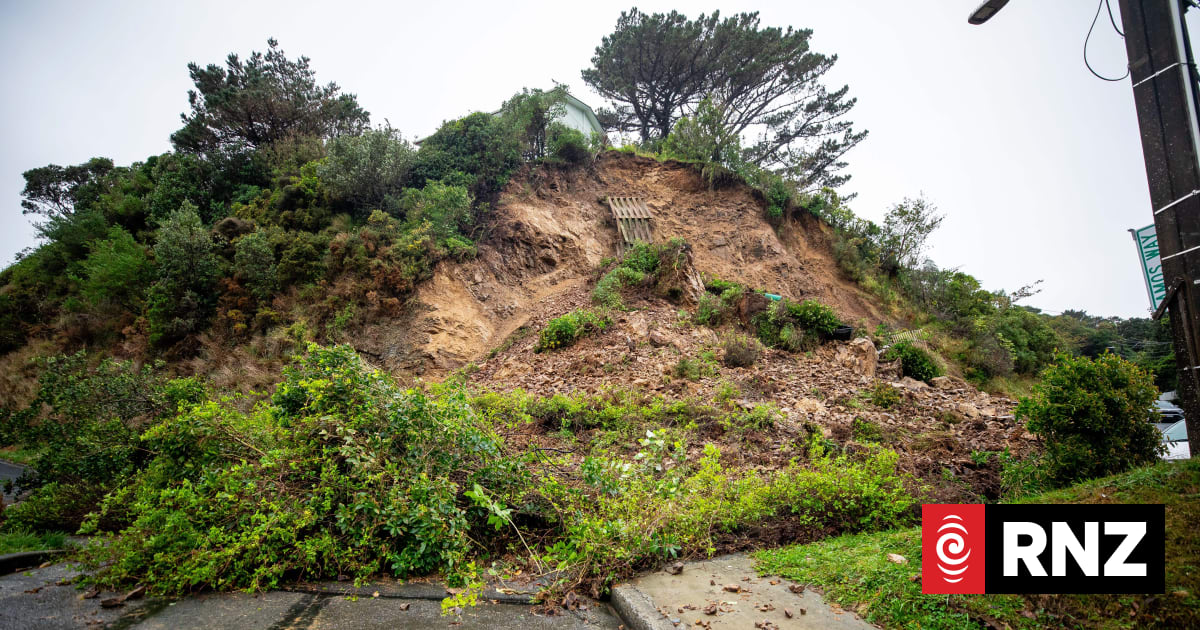
Australian researchers are actively developing a nationwide model to forecast landslide risks, a crucial initiative given the increasing frequency of major landslide events. This proactive approach aims to provide early warnings and better preparedness for communities potentially affected by such natural disasters. The project focuses on creating sophisticated forecasting tools that can analyze various geological and environmental factors contributing to landslide occurrences. By understanding these contributing factors, scientists hope to predict where and when landslides are most likely to happen. This national-level modeling is expected to significantly enhance Australia's resilience to landslides. It will support better land-use planning and infrastructure development in vulnerable areas. The ultimate goal is to mitigate the impact of landslides on lives and property across the country. The development of such predictive capabilities is becoming increasingly vital as climate change and other factors potentially exacerbate natural hazard risks.
The increasing frequency of major landslide events in Australia signals a growing vulnerability to natural hazards, potentially exacerbated by environmental changes. Developing a nationwide landslide risk model represents a strategic investment in disaster preparedness and mitigation. This initiative aligns with a broader global trend of leveraging advanced data analytics and predictive modeling for climate adaptation and resilience. The success of such a model hinges on comprehensive data integration, robust scientific validation, and effective communication of risk information to policymakers and the public. Future iterations could explore integrating real-time monitoring systems and advanced AI for more dynamic risk assessments, thereby enhancing national safety and economic stability in the face of evolving environmental challenges.
AI-generated to prompt reflection — not editorial opinion, not advice, not a statement of fact. How this works.