Australia Disagrees with China's Ballistic Missile Test in Pacific
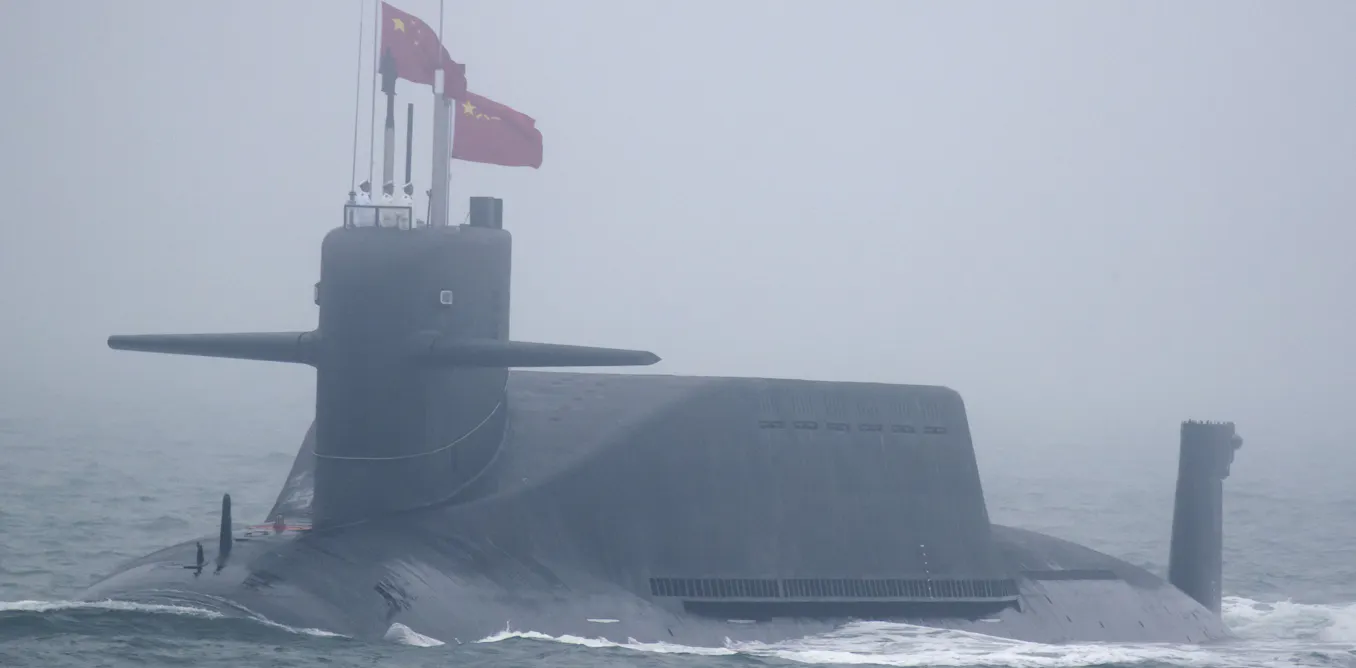
Australian Prime Minister Anthony Albanese has stated that Australia must disagree with China's recent ballistic missile test conducted in the Pacific region. This diplomatic stance was communicated by Albanese, emphasizing Australia's opposition to the action. The Prime Minister is simultaneously working to strengthen relationships with other nations within the region. This dual approach highlights Australia's commitment to regional stability and its independent foreign policy. The government's position underscores the importance of international norms and the potential implications of such military demonstrations. Albanese's comments signal a clear message to Beijing regarding Australia's security interests and its role in the Indo-Pacific. The move also comes as Australia actively engages in diplomatic efforts to foster cooperation and understanding among its regional partners.
Australia's public disagreement with China's ballistic missile test reflects the ongoing geopolitical tensions in the Indo-Pacific. This action by China, if confirmed, could be interpreted as a challenge to regional security architectures and international arms control norms. Australia's response, framed as a matter of disagreement rather than outright condemnation, suggests a strategy of maintaining diplomatic channels while asserting its security interests. The Prime Minister's simultaneous efforts to shore up relationships with other regional partners indicate a broader strategy of collective security and de-escalation, aiming to build a coalition of like-minded nations. This approach seeks to balance deterrence with dialogue, navigating the complex dynamics of great power competition and its impact on smaller states within the region.
AI-generated to prompt reflection — not editorial opinion, not advice, not a statement of fact. How this works.