Australia Faces Medicine Shortages Due to Complex Approval Process and Pricing Pressures
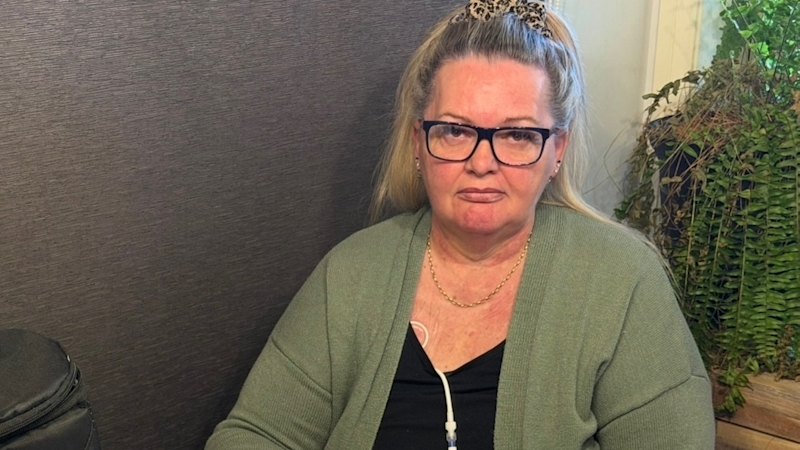
Pharmaceutical companies are warning that Australia's intricate drug approval system is deterring investment, leading to a shortage of 18 critical medicines for Australians. This situation is exacerbated by global pricing pressures, partly fueled by the Trump administration's policies. The complex regulatory pathway in Australia is reportedly making it less attractive for drug manufacturers compared to other markets. This has resulted in a significant number of important medications not being readily available to the Australian population. The lack of access to these medicines could have serious implications for public health and patient care across the country. Industry insiders suggest that streamlining the approval process could alleviate these shortages. The global economic climate and trade policies are also playing a crucial role in these pharmaceutical supply chain issues. Without intervention, the availability of essential drugs in Australia may continue to be a concern for patients and healthcare providers alike.
Australia's pharmaceutical access challenges appear to stem from a confluence of domestic regulatory complexity and international pricing dynamics. The current system may inadvertently create disincentives for pharmaceutical companies, potentially prioritizing markets with faster or more favorable reimbursement structures. This situation highlights a systemic tension between ensuring robust drug safety and efficacy through rigorous approval processes and the imperative of timely patient access to essential treatments. As global pharmaceutical markets evolve, particularly with increasing scrutiny on drug pricing, Australia faces a strategic choice: adapt its regulatory and pricing frameworks to remain competitive in attracting new medicines, or risk falling behind in therapeutic advancements, impacting public health outcomes over the next decade.
AI-generated to prompt reflection — not editorial opinion, not advice, not a statement of fact. How this works.