Australia Increases Student Visa Fees Significantly, Making it One of World's Most Expensive
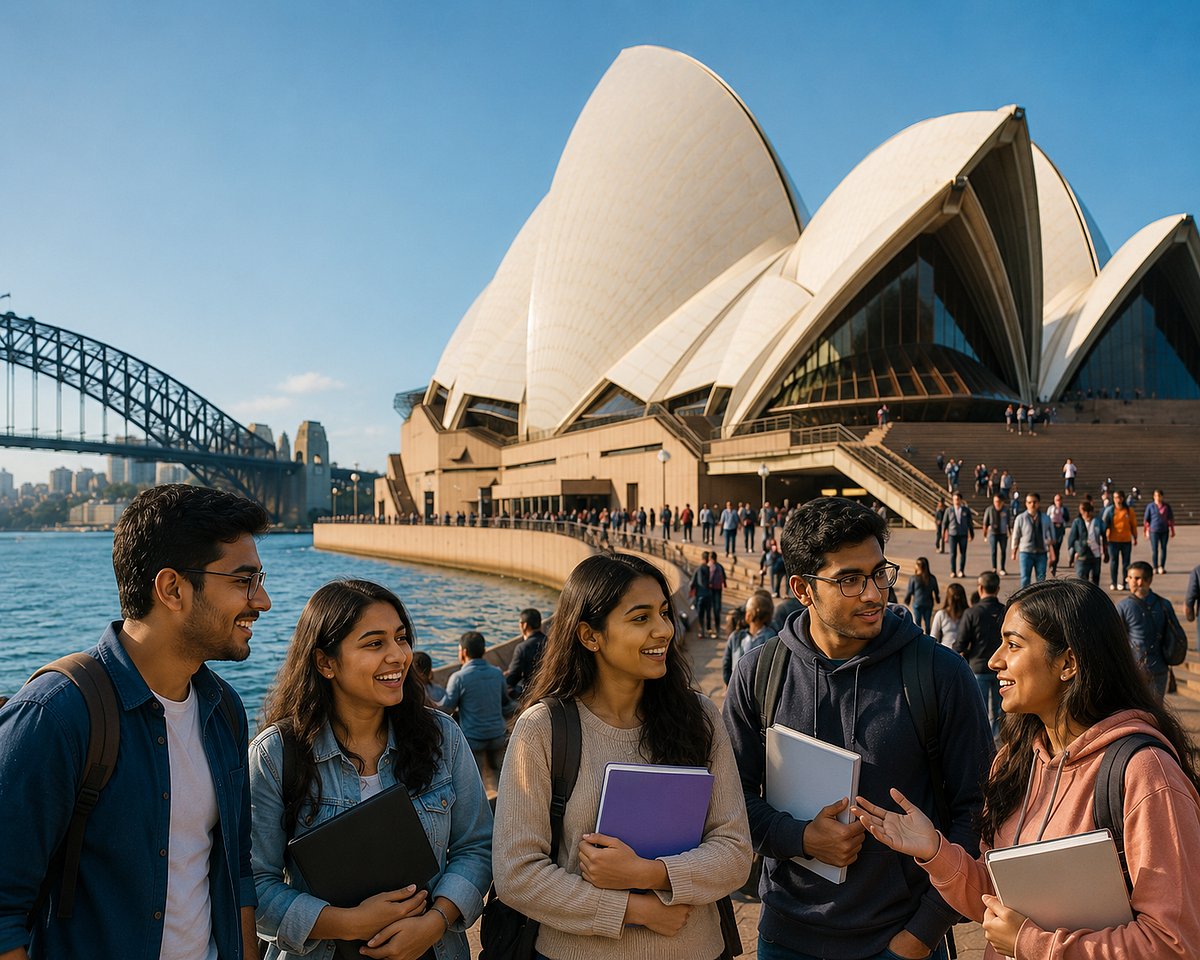
The Australian government has substantially increased visa application fees for international students, including a rise in fees for the Post-Study Work visa. These new fees, effective from July 1, 2026, represent a significant hike, with some visa fees increasing by 25% and others by over 200%. The student visa application fee for higher education and vocational students has risen from AUD 2,000 to AUD 2,500, though students from ASEAN countries will pay AUD 2,050. For English Language Intensive Courses for Overseas Students (ELICOS), the fee is now AUD 2,050. The Temporary Graduate visa (Subclass 485) application fee has jumped from AUD 4,600 to AUD 5,750.
Beyond student visas, minimum salary thresholds for employer-sponsored skilled visas have also been raised to AUD 79,499 annually, up from AUD 76,515. These increases position Australia as one of the most expensive destinations for international student visa applications globally, with current student visa fees significantly higher than those in the UK, New Zealand, the US, and Canada. Data indicates that since 2022, Australian student visa fees have surged by 285%, and post-study work visa fees by 148%.
Representatives from the international education sector have criticized the decision, stating that no consultation was held with the industry before the fee hikes were announced. Phil Honeywood, CEO of the International Education Association of Australia, warned that rival countries would benefit from this move, as the sudden increase without gradual implementation or consultation disadvantages Australia in attracting international students. Peter Hendy, CEO of Independent Higher Education Australia, echoed these concerns, highlighting the risk of diminished student interest in Australia as a global education destination.
Australia's substantial increase in international student visa fees, effective July 2026, aims to bolster government revenue but risks undermining its competitive edge in the global education market. While the government seeks to offset costs, the move places a higher financial burden on prospective students, potentially diverting talent to countries with more accessible visa policies. The lack of prior consultation with the international education sector suggests a disconnect between policy formulation and industry realities, raising concerns about the long-term sustainability of Australia's international student recruitment. This policy shift, coupled with rising living costs, could lead to a significant recalibration of global student mobility patterns over the next decade, impacting Australia's soft power and economic contributions from its education exports.
AI-generated to prompt reflection — not editorial opinion, not advice, not a statement of fact. How this works.