Australia, Japan, and New Zealand Condemn New US Tariffs
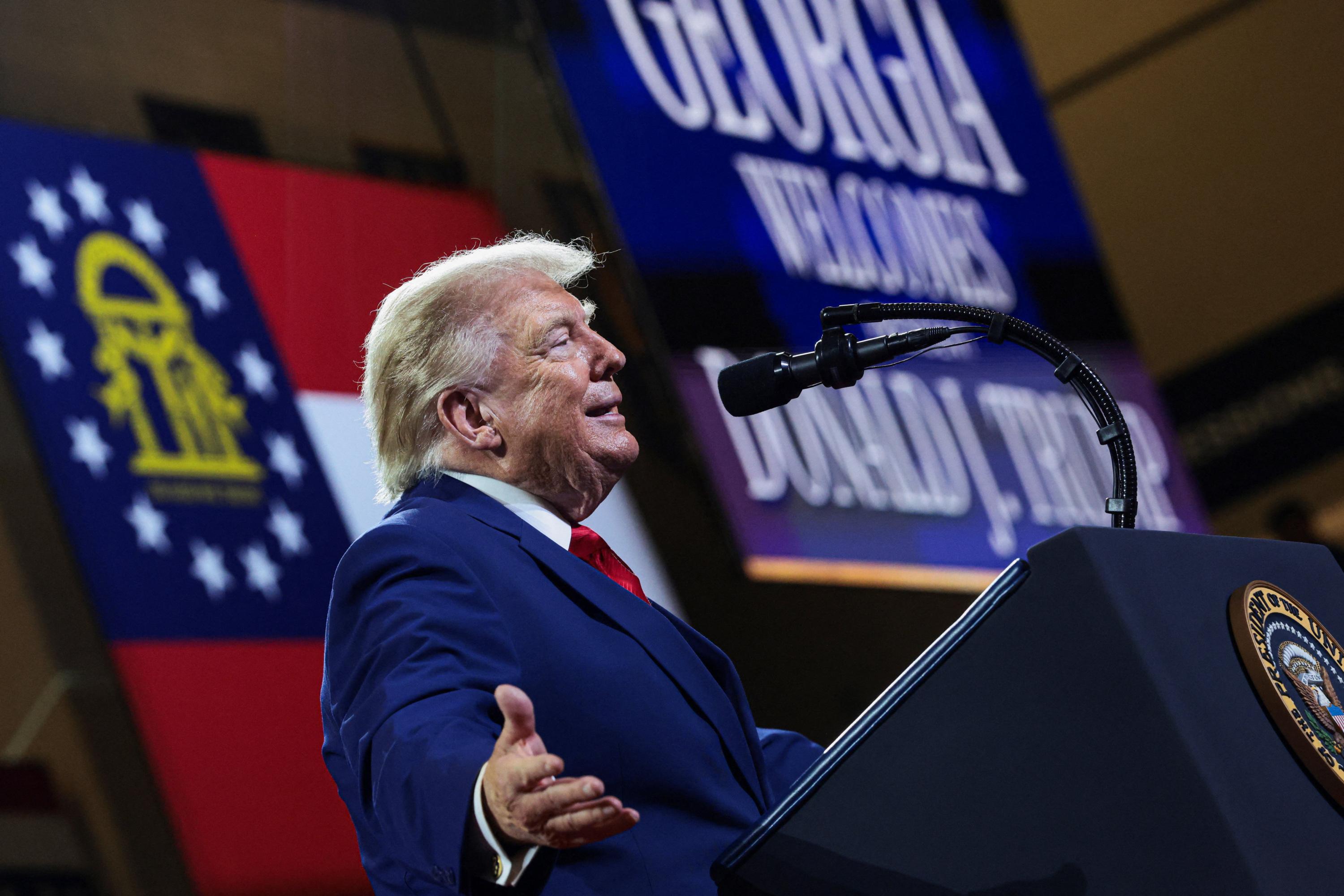
Australia, Japan, and New Zealand have strongly criticized the United States for imposing new tariffs on their exports. The three nations have expressed their disapproval of being placed on Washington's list of trade partners subject to these additional duties. The new surcharges range from 10% to 12.5%.
Tokyo, Canberra, and Wellington have labeled the American measures as "unjustified" and "regrettable." These countries, key allies of the U.S. in the Indo-Pacific region, are voicing significant concerns over the economic impact of these tariffs. The move signals a potential strain on trade relationships and diplomatic ties as these nations seek to understand the rationale behind the U.S. decision.
The imposition of tariffs by the United States on key allies like Australia, Japan, and New Zealand, despite their strategic importance, suggests a potential recalibration of trade policy prioritizing domestic economic considerations over established geopolitical alliances. This action may reflect a broader trend of protectionist measures influencing international trade relations, potentially leading to retaliatory actions or a re-evaluation of supply chain dependencies by affected nations. Over the next decade, such policies could exacerbate global trade fragmentation and challenge existing multilateral trade frameworks, prompting businesses and governments to seek more resilient and diversified economic partnerships.
AI-generated to prompt reflection — not editorial opinion, not advice, not a statement of fact. How this works.