Australia Risks Alienating Young Talent by Over-Reliance on Aging Cricketers
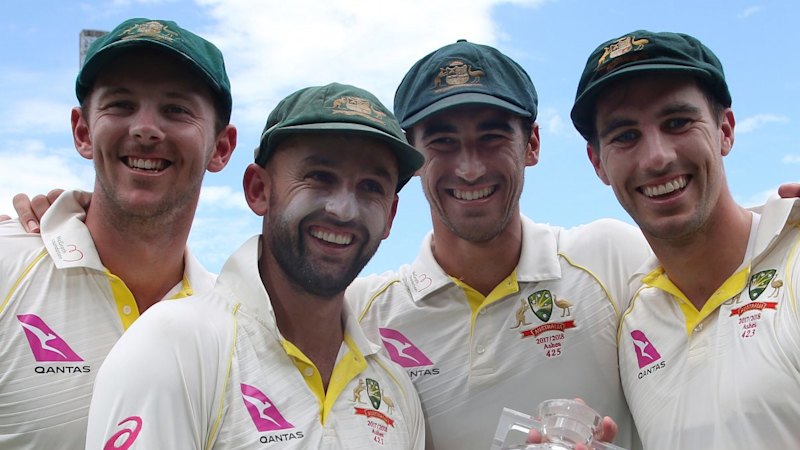
Cricket Australia's decision to include five players aged 35 or older in a two-match series against Bangladesh has sparked debate. Steve Smith, Josh Hazlewood, Mitchell Starc, Scott Boland, and Nathan Lyon, all veterans, were selected for matches in Darwin and Mackay. This selection strategy raises concerns about the development and opportunities for younger, emerging talent within Australian cricket. Critics argue that such a focus on established, older players might hinder the progression of the next generation. The timing of this series, against a less formidable opponent, is seen by some as an unusual moment to prioritize veteran experience over youth development. This approach could potentially lead to a talent drain or a perceived lack of pathways for rising stars. The long-term implications for the future strength and depth of the Australian national team are being questioned.
The selection of a predominantly veteran squad for international fixtures, while potentially leveraging proven experience, may present a strategic dilemma. This approach could inadvertently limit crucial developmental opportunities for emerging players, potentially impacting the long-term pipeline of talent. Balancing the immediate need for results with the imperative of cultivating future stars is a recurring challenge in team sports. Future-proofing the squad requires a proactive strategy that integrates new talent judiciously, ensuring a sustainable competitive edge in the evolving landscape of international cricket. This decision warrants scrutiny regarding its alignment with broader talent development frameworks and succession planning.
AI-generated to prompt reflection — not editorial opinion, not advice, not a statement of fact. How this works.