Australia's Ancient Aboriginal Rock Art Threatened by Gas Project
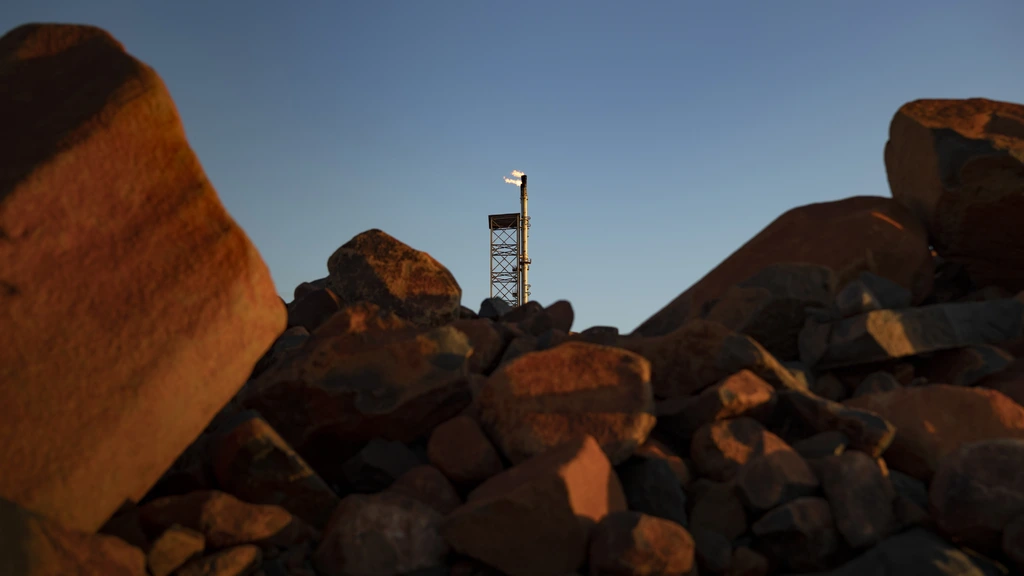
Australia's Supreme Court is reviewing the extension and expansion of a natural gas project in the country's northwest, which has been approved to operate until 2070. This project, operated by Woodside, is the nation's largest fossil fuel export facility, processing and shipping approximately 14.3 million tons of liquefied natural gas annually, primarily to Asian markets, with about 15% used domestically. While the project generates billions for the Australian economy, it faces significant opposition from traditional owners and environmental groups concerned about its impact on the ancient Aboriginal rock art of the Murujuga region. This area, home to the world's largest and oldest collection of rock carvings, was recently inscribed on the UNESCO World Heritage List. Traditional owner Raelene Cooper of the Mardudhunera community highlights that the art, some dating back 50,000 years, is integral to Aboriginal Dreamtime beliefs and cultural heritage. Critics argue that industrial emissions and pollution from the gas facility are visibly degrading the rock art, making it less distinct. The Australian Conservation Foundation is suing the government, alleging the project causes "massive damage to nature, climate, and culture." A statistician involved in a government-commissioned study, Adrian Baddeley, reported preliminary findings indicating pollution directly damages the rocks, with proximity to the industry correlating with increased fragility. However, he expressed concern that these findings were misrepresented in the final government report, leading him to withdraw from the research. The UN Special Rapporteur on the human right to a clean, healthy and sustainable environment has also stated that Australia is obligated to prevent significant environmental harm. Woodside maintains that the government's approval followed a thorough assessment and legal procedures. The Supreme Court case, heard in Melbourne, is expected to yield a decision later this year.
The conflict between the Woodside gas project and the Murujuga rock art highlights a systemic tension between economic development driven by fossil fuels and the preservation of invaluable cultural and environmental heritage. The legal challenge and the statistician's concerns suggest potential governance failures in environmental impact assessments, where scientific findings may be subject to interpretation or downplaying to facilitate project approval. This situation raises questions about the long-term sustainability of resource extraction projects when they directly impinge upon sites of profound historical and cultural significance, particularly those recognized by international bodies like UNESCO. Looking ahead, the increasing global focus on climate change and Indigenous rights may necessitate more robust frameworks for balancing industrial interests with the imperative to protect irreplaceable cultural assets and the environment, potentially driving innovation in both energy production and heritage management.
AI-generated to prompt reflection — not editorial opinion, not advice, not a statement of fact. How this works.