Australia's Criminal Cases Review Commission Seeks Stronger Eyewitness Evidence Laws
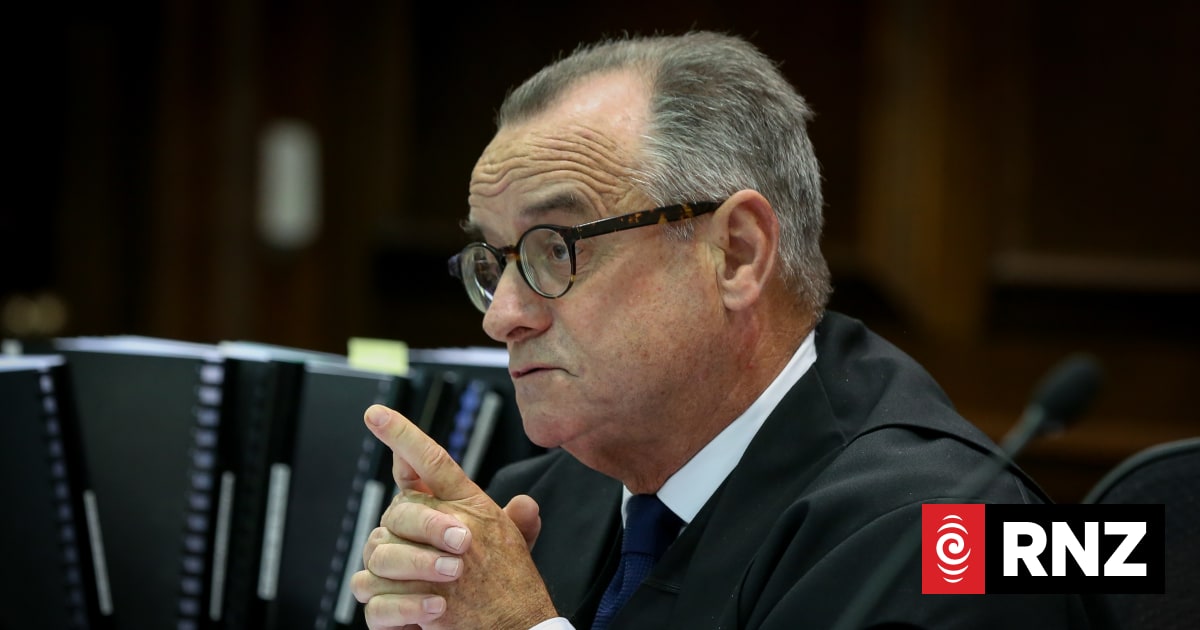
The Criminal Cases Review Commission in Australia has called for more stringent legislation governing eyewitness evidence. The commission highlighted that unreliable eyewitness identification is a significant and acknowledged factor contributing to wrongful convictions and miscarriages of justice. This statement underscores a long-standing concern within the legal system regarding the fallibility of human memory and perception. The commission's appeal suggests a need for reforms to ensure greater accuracy and reliability in how eyewitness testimony is collected and presented in court. Such measures could include improved police procedures for identification parades or enhanced training for officers involved in witness interviews. The ultimate goal is to reduce the risk of innocent individuals being convicted based on flawed eyewitness accounts. This initiative reflects a broader effort to uphold the integrity of the justice system and prevent irreversible errors.
The Criminal Cases Review Commission's call for tighter laws on eyewitness evidence addresses a systemic vulnerability in legal proceedings. Eyewitness testimony, while often compelling, is susceptible to various cognitive biases and external influences that can lead to misidentification. This can result in miscarriages of justice, disproportionately impacting the accused and eroding public trust in the legal system. Strengthening regulations around eyewitness evidence is crucial for enhancing the accuracy of convictions. Future reforms should consider advancements in cognitive psychology and forensic science to implement more reliable identification procedures. The challenge lies in balancing the need for robust evidence with the inherent limitations of human memory, ensuring that the pursuit of justice does not inadvertently lead to wrongful convictions.
AI-generated to prompt reflection — not editorial opinion, not advice, not a statement of fact. How this works.