Australia's High Court Dismisses Pauline Hanson's Appeal in Racial Vilification Case
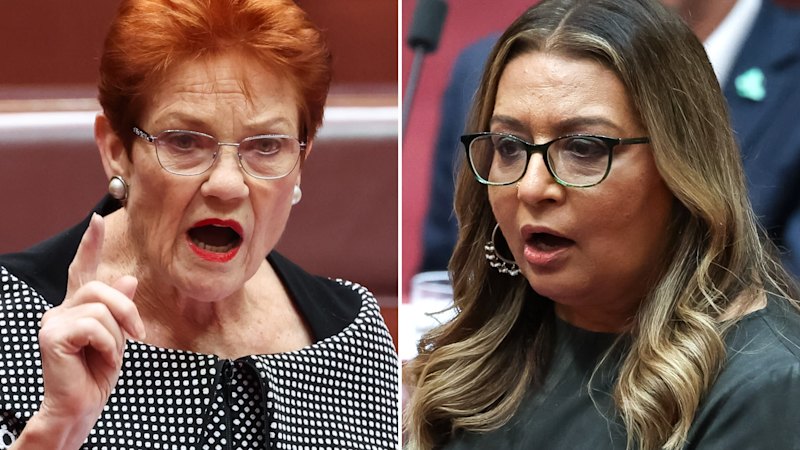
Australia's High Court has rejected an appeal by Pauline Hanson, the leader of the One Nation party, seeking to overturn a previous ruling on racial vilification. The case originated from a tweet posted by Hanson directed at Greens senator Mehreen Faruqi. In the tweet, Hanson told Senator Faruqi to "piss off back to Pakistan." Senator Faruqi subsequently initiated legal proceedings against Hanson based on this statement. The High Court's decision upholds the earlier finding that Hanson's tweet constituted racial vilification. This ruling has significant implications for political discourse and the legal boundaries of online speech in Australia. The case highlights the ongoing debate surrounding hate speech and the application of anti-vilification laws in the digital age. Senator Faruqi, an Australian citizen of Pakistani origin, has been a vocal critic of Hanson's policies and rhetoric. The legal battle underscores the challenges of addressing online harassment and its impact on individuals in public life.
The High Court's rejection of Pauline Hanson's appeal reinforces the legal framework designed to prevent racial vilification, particularly within the public sphere. This outcome suggests that online platforms, while facilitating rapid communication, are not exempt from accountability under existing laws. The decision may incentivize political actors to exercise greater caution in their public statements, recognizing that inflammatory rhetoric can have tangible legal consequences. It also prompts reflection on the balance between freedom of expression and the imperative to protect individuals from targeted discrimination, especially concerning their ethnic or national origin. Looking ahead, such rulings could shape evolving norms around digital citizenship and the responsibilities of those in positions of influence.
AI-generated to prompt reflection — not editorial opinion, not advice, not a statement of fact. How this works.