Australia's Medical Device Regulator Faces Funding Shortfall Amid Safety Concerns
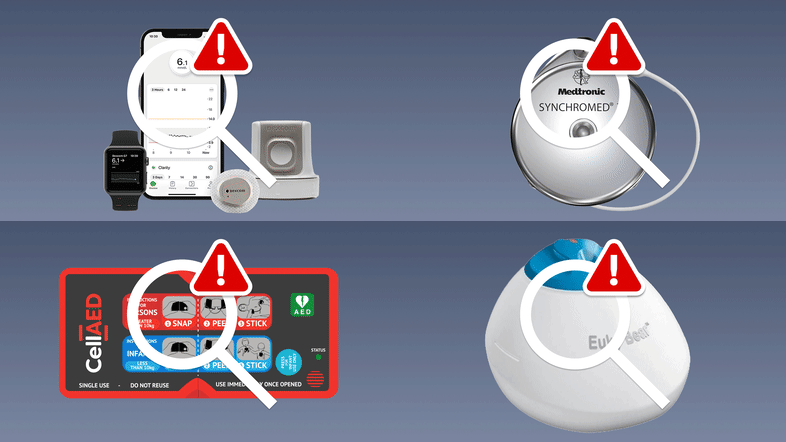
Australia's Therapeutic Goods Administration (TGA) has been unable to adequately monitor the side effects of medical devices due to a lack of funding. The federal government reportedly denied the regulator's request for additional resources to enhance its oversight capabilities. This funding shortfall leaves the TGA reliant on an outdated and reportedly flawed IT system for tracking adverse events. Millions of medical devices are in circulation, and while thousands of problems have been reported, the TGA's capacity to investigate these issues is limited by its insufficient staffing and technological infrastructure. The current system's limitations raise concerns about the potential for undetected risks to patients. The TGA's ability to ensure the safety and efficacy of medical devices is therefore compromised.
The situation highlights a critical tension between the proliferation of medical technologies and the governmental capacity to ensure public safety. Insufficient funding for regulatory bodies like the TGA can create systemic vulnerabilities, leaving a gap between the number of devices in use and the resources available for monitoring their performance and potential adverse effects. This underinvestment may stem from competing governmental priorities or a miscalculation of the long-term costs associated with inadequate oversight. As medical technology advances, the need for robust, adaptable regulatory frameworks becomes paramount. Failure to adequately resource these bodies risks not only patient well-being but also public trust in the healthcare system, potentially leading to greater costs in the future through managing unforeseen consequences.
AI-generated to prompt reflection — not editorial opinion, not advice, not a statement of fact. How this works.