Australia's pioneering data center energy rules face immediate power supply challenges
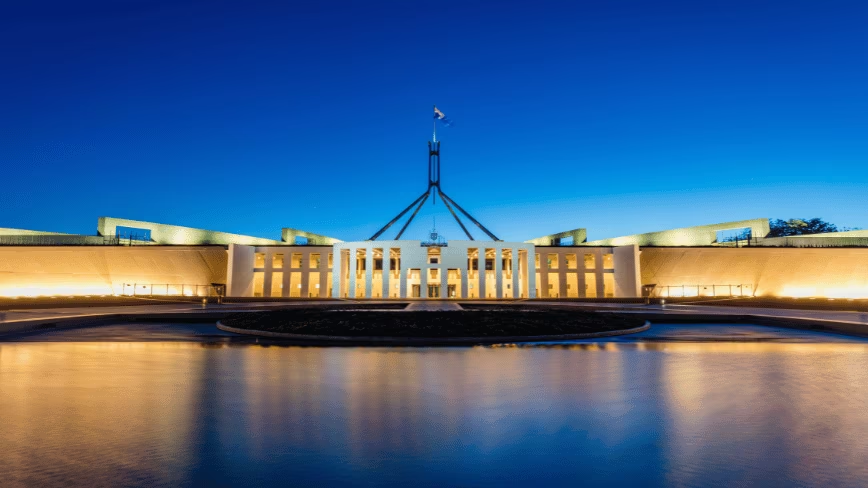
Australia has introduced a groundbreaking regulation requiring data centers to contribute more power to the grid than they consume, a mandate not seen in any other country. However, this ambitious policy, which has been in effect for less than two weeks, has encountered a significant hurdle. The primary obstacle is the insufficient electricity supply needed to fulfill the industry's new obligation. Data centers are expected to feed power back into the grid, but the necessary generation capacity is not yet available to meet this demand. This situation highlights a critical gap between regulatory ambition and existing infrastructure capabilities. The success of this world-first initiative hinges on the rapid development of new power sources and grid upgrades. Without adequate power generation, the data centers will be unable to comply with the new rules, potentially stalling their operations or requiring significant adjustments. The government faces the challenge of accelerating energy production to support its innovative environmental policy.
Australia's novel data center energy policy, mandating a net positive power contribution, represents a bold attempt to integrate critical digital infrastructure with renewable energy goals. The immediate challenge of insufficient power generation underscores a common tension between ambitious environmental regulations and the realities of energy infrastructure development. This situation prompts consideration of the lead times required for energy projects and the potential for regulatory frameworks to outpace their underlying physical capacity. Future policy design may benefit from more integrated planning that synchronizes technological mandates with phased infrastructure build-outs, ensuring that the grid's capacity evolves in tandem with regulatory expectations. This approach could mitigate risks of non-compliance and foster a more sustainable transition for the digital economy.
AI-generated to prompt reflection — not editorial opinion, not advice, not a statement of fact. How this works.