Australia's Shift Away From Free Higher Education May Be Harming Its Intelligence
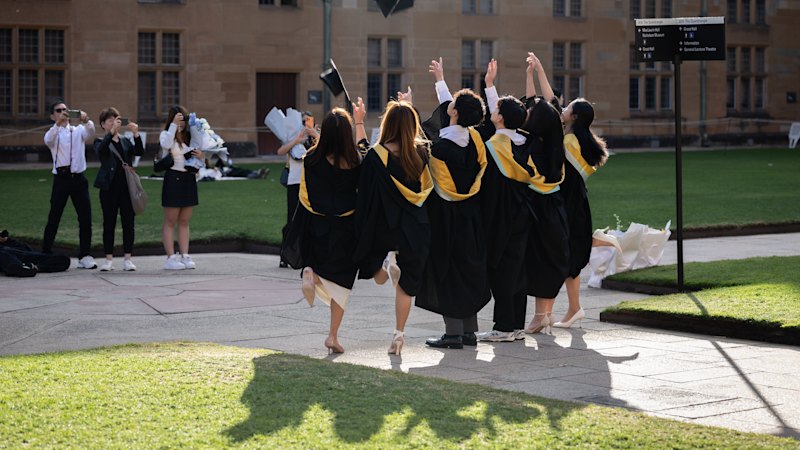
Australia has moved away from providing free higher education to its citizens, a policy that distinguishes it from many other nations. This shift has led to concerns that the country's overall intellectual capacity may be declining. The original system of free higher education was intended to ensure broad access to learning and skill development for all Australians. However, the current model, which involves significant costs for students, may be creating barriers to entry. This could result in a less educated populace, potentially impacting innovation, economic competitiveness, and societal progress. The change in policy raises questions about the long-term consequences for Australia's human capital and its position on the global stage. The financial burden on students might deter many from pursuing advanced studies, even if they possess the aptitude. Consequently, a generation of potential thinkers and innovators may be lost to the nation. This situation warrants a careful examination of the trade-offs between funding models and educational outcomes.
The transition from free to fee-based higher education in Australia represents a significant policy shift with potential long-term implications for human capital development. While cost-recovery mechanisms can alleviate immediate fiscal pressures on the state, they may inadvertently create systemic barriers to access, disproportionately affecting lower socioeconomic groups. This could lead to a suboptimal allocation of talent, where potential innovators and skilled professionals are deterred by financial constraints rather than ability. Over a decade, such a trend could manifest as reduced national competitiveness, slower technological adoption, and a less adaptable workforce in an increasingly AI-driven global economy. Evaluating the policy's efficacy requires a nuanced understanding of its impact on both individual opportunity and collective societal advancement, considering alternative funding models that balance fiscal responsibility with equitable access to education.
AI-generated to prompt reflection — not editorial opinion, not advice, not a statement of fact. How this works.