Australia's Teen Social Media Ban: A Model for New Zealand?
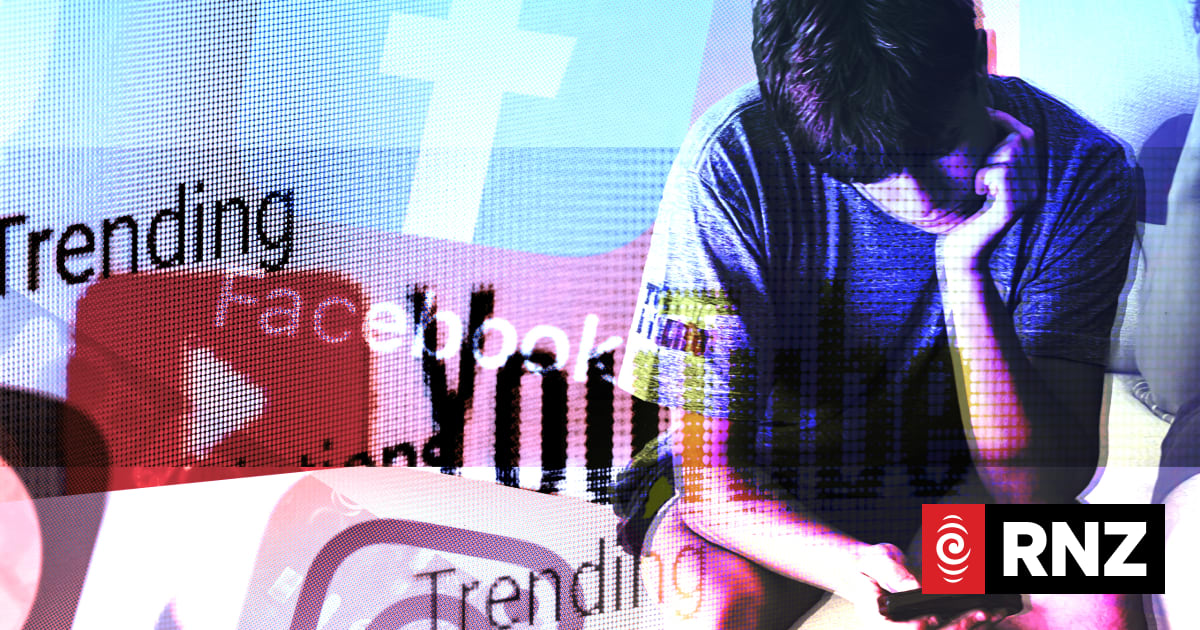
Australia has implemented a ban on social media use for individuals under the age of 16. This move has prompted New Zealand to consider a similar policy. The explainer aims to evaluate the effectiveness of Australia's ban since its introduction. It seeks to determine whether the implemented restrictions have achieved their intended outcomes. The article will delve into the specifics of the Australian legislation and its impact on young users. Furthermore, it will explore the potential implications for New Zealand should they decide to adopt comparable measures. The central question is whether Australia's approach serves as a successful precedent for other nations looking to regulate youth access to social media platforms.
As New Zealand contemplates a youth social media ban mirroring Australia's under-16 restriction, an objective assessment of the Australian policy's efficacy is crucial. The underlying rationale for such bans typically centers on mitigating potential harms associated with excessive social media use among minors, including mental health impacts and exposure to inappropriate content. Evaluating the Australian model requires examining data on its success in reducing these risks, alongside potential unintended consequences such as driving usage underground or impacting digital literacy development. Policymakers in New Zealand will need to weigh the public health objectives against concerns about individual freedoms and the evolving digital landscape. The long-term societal implications of age-based digital access restrictions, particularly in an increasingly interconnected world, warrant careful consideration of alternative or supplementary strategies that foster responsible online engagement.
AI-generated to prompt reflection — not editorial opinion, not advice, not a statement of fact. How this works.