Australia's Wildlife Volunteers Need Support Amid Bird Flu Outbreak
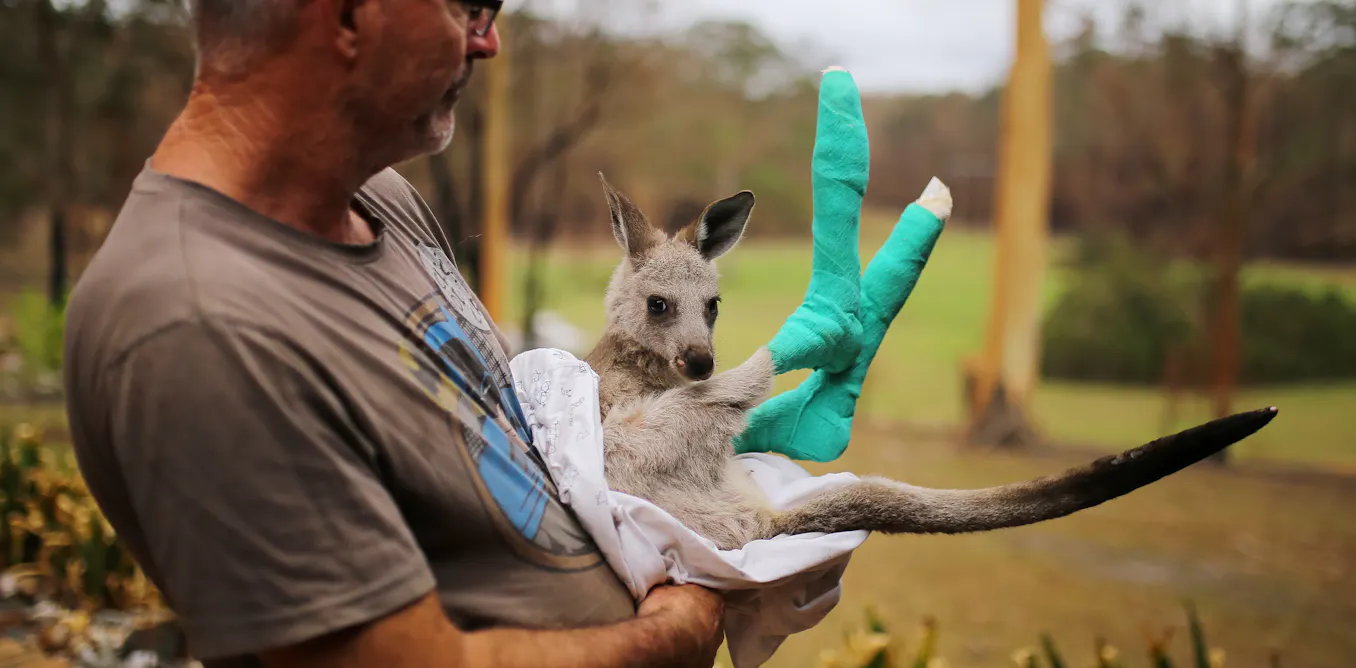
Australia has historically depended on the dedication of volunteers and wildlife carers for its conservation efforts. As avian influenza (bird flu) continues to spread across the country, it is becoming increasingly clear that these individuals require significant support to continue their vital work. The current situation highlights the vulnerability of these volunteer networks when faced with widespread disease outbreaks.
Ensuring the safety of these carers is paramount, alongside providing them with the necessary resources and assistance. The spread of bird flu poses a direct risk not only to the wildlife they care for but also to the volunteers themselves. Therefore, a robust support system is essential to protect both the carers and the native fauna of Australia.
The reliance on volunteer efforts for critical conservation tasks in Australia, particularly in the face of emerging public health threats like avian influenza, reveals a potential systemic vulnerability. While volunteerism is a commendable aspect of community engagement, its adequacy as the primary response mechanism for widespread ecological and health crises warrants examination. Future preparedness may necessitate a more formalized, government-backed infrastructure that can rapidly scale support, provide essential safety equipment, and offer specialized training to volunteers. This approach could mitigate risks to both human health and wildlife populations, ensuring a more resilient conservation framework capable of adapting to evolving environmental challenges.
AI-generated to prompt reflection — not editorial opinion, not advice, not a statement of fact. How this works.
