Australian Authorities Can Address Great Barrier Reef Water Pollution, But Will They Act?
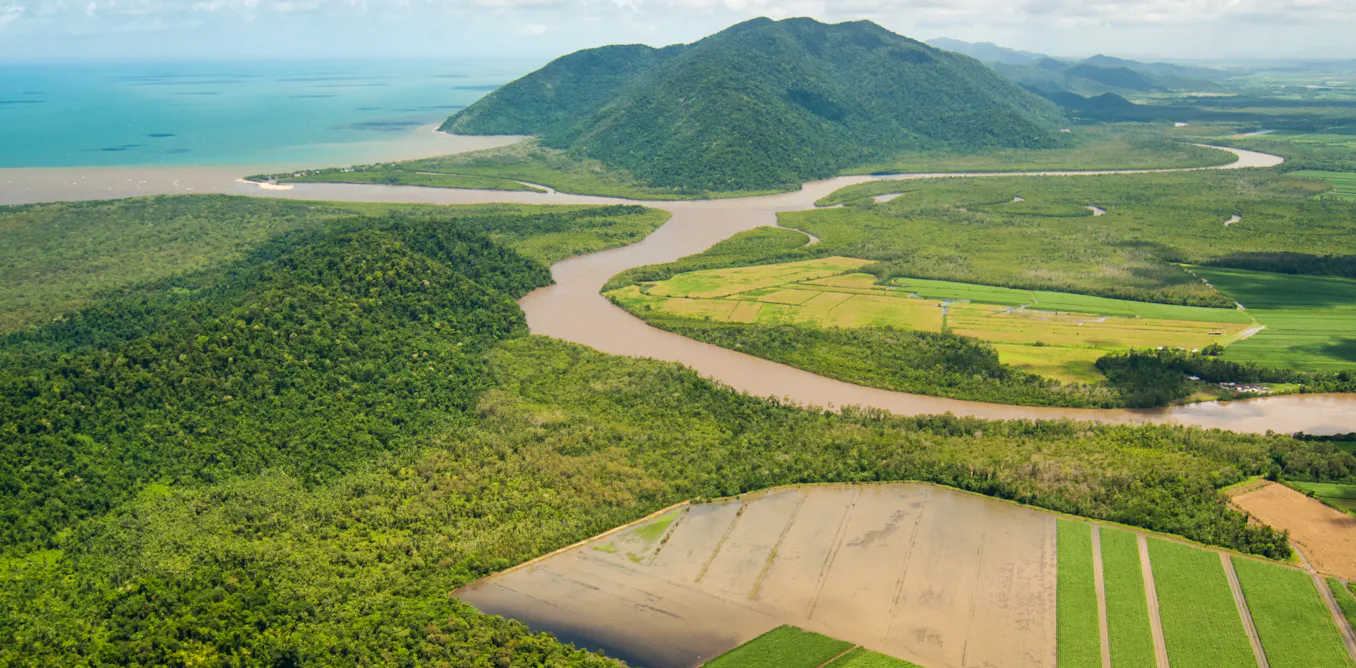
Water pollution poses a significant and solvable threat to the Great Barrier Reef, according to an assessment of current plans. While Australian authorities have the capacity to address this issue, the effectiveness and commitment of their proposed solutions are being questioned. The original article highlights that the existing strategies may not be sufficient to tackle the scale of the problem. This raises concerns about the long-term health and survival of the iconic marine ecosystem. The focus is on the potential for governmental action and the urgency required to implement meaningful change. The question remains whether the political will exists to prioritize the reef's preservation over other competing interests. The article implies that a more robust and comprehensive approach is necessary to protect this natural wonder.
The Great Barrier Reef's ecological health is demonstrably linked to water quality, a factor within Australia's governance scope. Current remediation plans face scrutiny regarding their adequacy, suggesting a potential misalignment between stated environmental goals and implemented policy. Future resilience will depend on the government's capacity to enact and enforce science-based regulations that address the root causes of pollution, such as agricultural runoff and industrial discharge. Evaluating the long-term efficacy of these measures against the backdrop of climate change and evolving economic pressures will be critical in the coming decade. The challenge lies in balancing immediate economic considerations with the imperative of preserving a globally significant natural asset for future generations.
AI-generated to prompt reflection — not editorial opinion, not advice, not a statement of fact. How this works.