Australian Desert Blooms After 50 Years of Drought
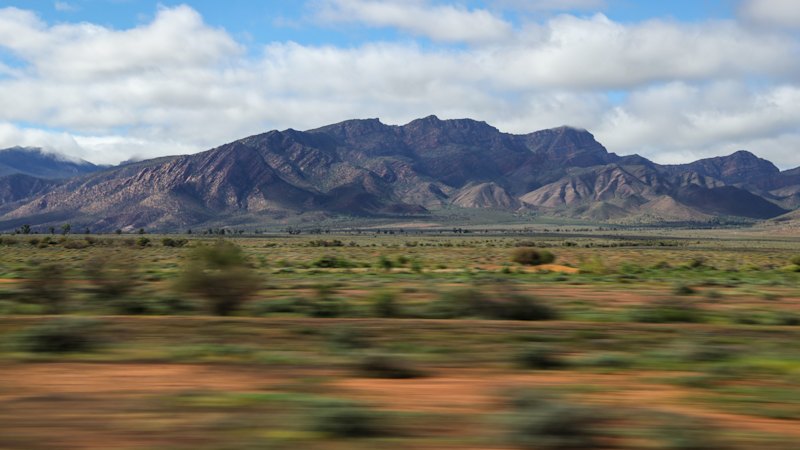
For the first time in half a century, a vast Australian desert has been replenished with water following significant rainfall. This rare event presents a unique opportunity to witness the outback in its most vibrant state. The abundance of water transforms the typically arid landscape into a flourishing ecosystem, showcasing the dramatic impact of weather patterns on this iconic region. Locals and visitors alike are anticipating the chance to experience the desert's revitalized beauty. This phenomenon highlights the cyclical nature of the Australian climate and the profound effects of drought and subsequent rainfall on its diverse environments. The desert's transformation is a testament to the resilience of nature and the dramatic shifts that can occur in such extreme climates. It serves as a reminder of the delicate balance within Australia's natural landscapes and the importance of these infrequent, yet vital, periods of renewal.
The infrequent inundation of arid regions like this Australian desert underscores the profound impact of climate variability on ecosystems. Such events, while visually spectacular and ecologically significant, also highlight the challenges of resource management and infrastructure planning in areas prone to extreme weather. Future climatic trends may alter the frequency and intensity of these rainfall events, necessitating adaptive strategies for conservation and human interaction with these fragile environments. Understanding the long-term drivers of these hydrological cycles is crucial for predicting future ecological states and ensuring the resilience of Australia's unique natural heritage.
AI-generated to prompt reflection — not editorial opinion, not advice, not a statement of fact. How this works.