Australian Home Approvals Rise Amidst Interest Rate and Tax Policy Shifts
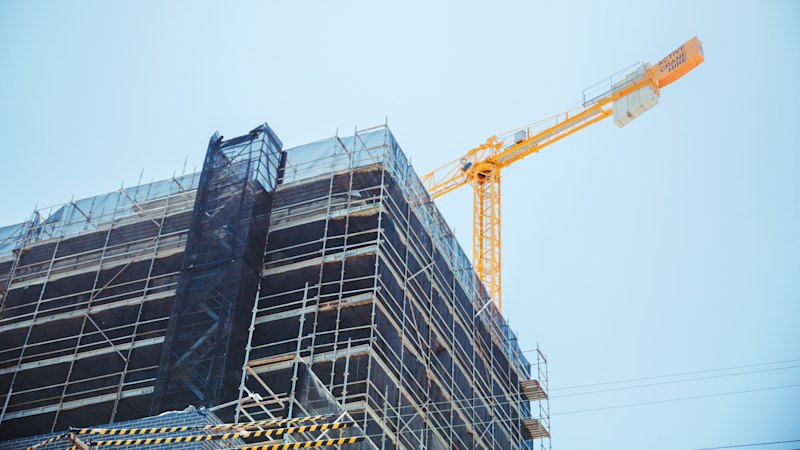
Australia is seeing an increase in new home building approvals as the government pushes towards its ambitious target of constructing 1.2 million new homes by mid-2029. This uptick in approvals suggests a potential acceleration in construction activity, which is crucial for meeting the national housing demand. However, this positive development occurs against a backdrop of significant economic shifts that could impact the housing market.
Recent interest rate hikes by the Reserve Bank of Australia are increasing borrowing costs for developers and potential homebuyers alike. Concurrently, changes introduced in the recent government budget are also set to influence the property sector. These combined factors present a complex environment where rising approvals may face headwinds from increased financial pressure and altered fiscal policies, potentially affecting the pace and sustainability of new housing supply.
The Australian government's objective to boost housing supply by 1.2 million homes by mid-2029 faces a critical juncture. While an increase in home approvals is a positive indicator, the simultaneous introduction of higher interest rates and fiscal policy adjustments creates a complex economic dynamic. Higher borrowing costs can dampen demand and increase project financing challenges for builders, potentially slowing down the realization of these approvals. The interplay between monetary policy tightening and fiscal incentives or disincentives within the budget will be key to determining whether the housing market can sustain this momentum or if the sector will experience a slowdown due to increased financial pressures. This situation highlights the inherent tension between stimulating supply and managing inflationary pressures through interest rate policy.
AI-generated to prompt reflection — not editorial opinion, not advice, not a statement of fact. How this works.