Australian MPs' Accommodation Benefit Under Scrutiny at Estimates Hearing
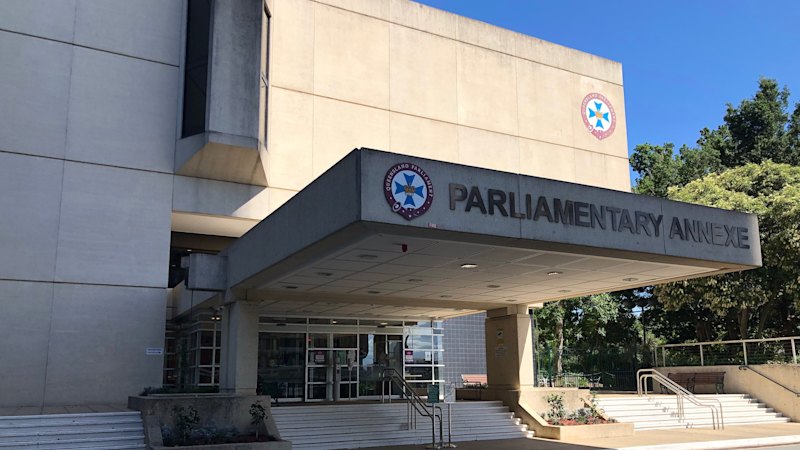
The financial implications for taxpayers of a benefit allowing Australian Members of Parliament (MPs) to claim private stays in parliamentary accommodation outside of scheduled sitting weeks were examined during the first estimates hearing. This benefit permits MPs to use parliamentary lodging for personal reasons even when the parliament is not in session. The hearing focused on questioning the estimates provided for this particular employment perk. Concerns have been raised regarding the accuracy and transparency of the costs associated with this arrangement. The scrutiny comes amid a broader discussion about the use of public funds and the accountability of elected officials. The estimates hearing is a key parliamentary process where government departments and agencies present their budgets and spending plans for review. This specific benefit has drawn attention due to the potential for its misuse or for its costs to be underestimated. Further details on the exact figures and the justification for these stays are expected to emerge from the ongoing review.
The scrutiny of parliamentary accommodation benefits for MPs highlights a recurring tension between the operational needs of elected officials and the prudent use of public funds. The estimates hearing process aims to provide transparency and accountability, allowing for a review of how taxpayer money is allocated. Questions surrounding the accuracy of cost estimates suggest potential inefficiencies or a need for clearer guidelines on the eligibility and scope of such benefits. Examining the incentive structures that allow for private use of parliamentary resources outside of sitting weeks is crucial. This situation prompts consideration of how governance frameworks can better align the privileges afforded to public servants with public expectations of fiscal responsibility, particularly in an era where public trust in institutions is paramount and scrutiny of spending is increasing.
AI-generated to prompt reflection — not editorial opinion, not advice, not a statement of fact. How this works.