Australian Museum to Repatriate Rapa Nui Remains After 143 Years
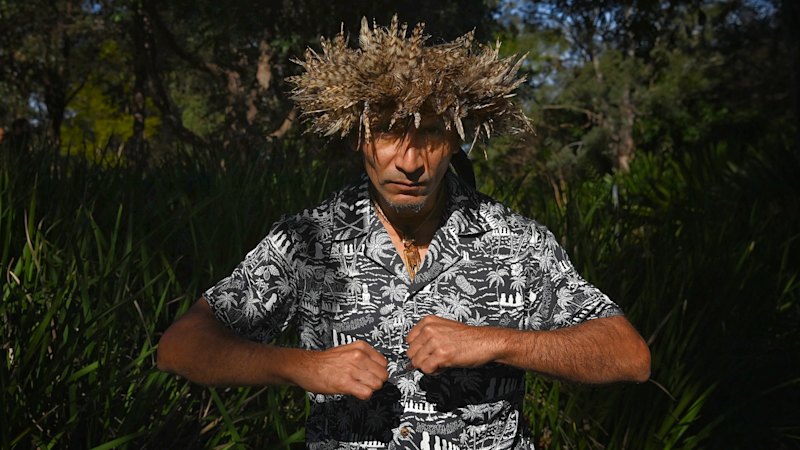
The Australian Museum has announced it will repatriate human remains that have been in its collection for 143 years. These remains belong to the Rapa Nui people of Easter Island. The museum acknowledges that the collection of these remains represented a past wrong. The repatriation is being facilitated by a Rapa Nui sculptor currently in Sydney. This significant act addresses historical injustices related to the acquisition of cultural artifacts and human remains from indigenous communities. The museum's decision reflects a growing global trend towards the return of ancestral remains and cultural heritage to their rightful owners. This process aims to correct historical imbalances and foster respectful relationships with indigenous peoples.
The Australian Museum's decision to repatriate Rapa Nui remains after 143 years signifies a critical acknowledgment of historical injustices in artifact and human remains collection. This move aligns with evolving ethical standards in museums globally, which increasingly prioritize indigenous sovereignty and cultural heritage rights. Such repatriations address the legacy of colonial practices and the systemic dispossession of cultural property. Moving forward, institutions will likely face continued pressure to review their collections, prompting a re-evaluation of acquisition ethics and provenance research. This also highlights the ongoing dialogue between cultural institutions and indigenous communities, shaping a more equitable future for heritage stewardship.
AI-generated to prompt reflection — not editorial opinion, not advice, not a statement of fact. How this works.