Australian Police Release New Photos in 25-Year-Old British Backpacker Murder Case
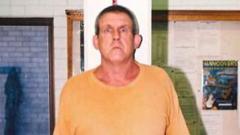
Australian police have released previously unseen photographs as part of their ongoing investigation into the 1996 murder of British backpacker Peter Falconio. The images are being made public in the hope that they will trigger the memories of individuals who may have crucial information. Detectives believe these new visuals could potentially lead to the discovery of Mr. Falconio's remains, which have never been found. The original investigation focused on the Northern Territory, where Mr. Falconio and his girlfriend, Joanne Lees, were traveling. Ms. Lees was the sole witness to the attack, which occurred on a remote stretch of the Stuart Highway. She managed to escape her attacker and later reported the incident to authorities. While a man was convicted of Mr. Falconio's murder, his body has never been recovered. The police are appealing to anyone who might recognize people or vehicles in the newly released images to come forward. They emphasize that even seemingly minor details could be significant after 25 years. The hope is that this renewed public appeal, supported by the visual evidence, will finally bring closure to the Falconio family.
The release of previously unseen photographs 25 years after Peter Falconio's disappearance highlights the persistent challenges in cold case investigations. This strategy aims to leverage public memory, acknowledging that information can emerge years later. The focus on finding the body, even after a conviction, underscores the legal and emotional complexities of unsolved aspects of a crime. This approach may also reflect evolving forensic and investigative techniques, or a strategic decision to re-engage the public and potential witnesses. The long duration of the investigation prompts reflection on the efficacy of resource allocation in protracted criminal inquiries and the enduring impact on victims' families.
AI-generated to prompt reflection — not editorial opinion, not advice, not a statement of fact. How this works.