Australian Scientists Cryopreserve Koala Eggs and Sperm to Safeguard Against Extinction
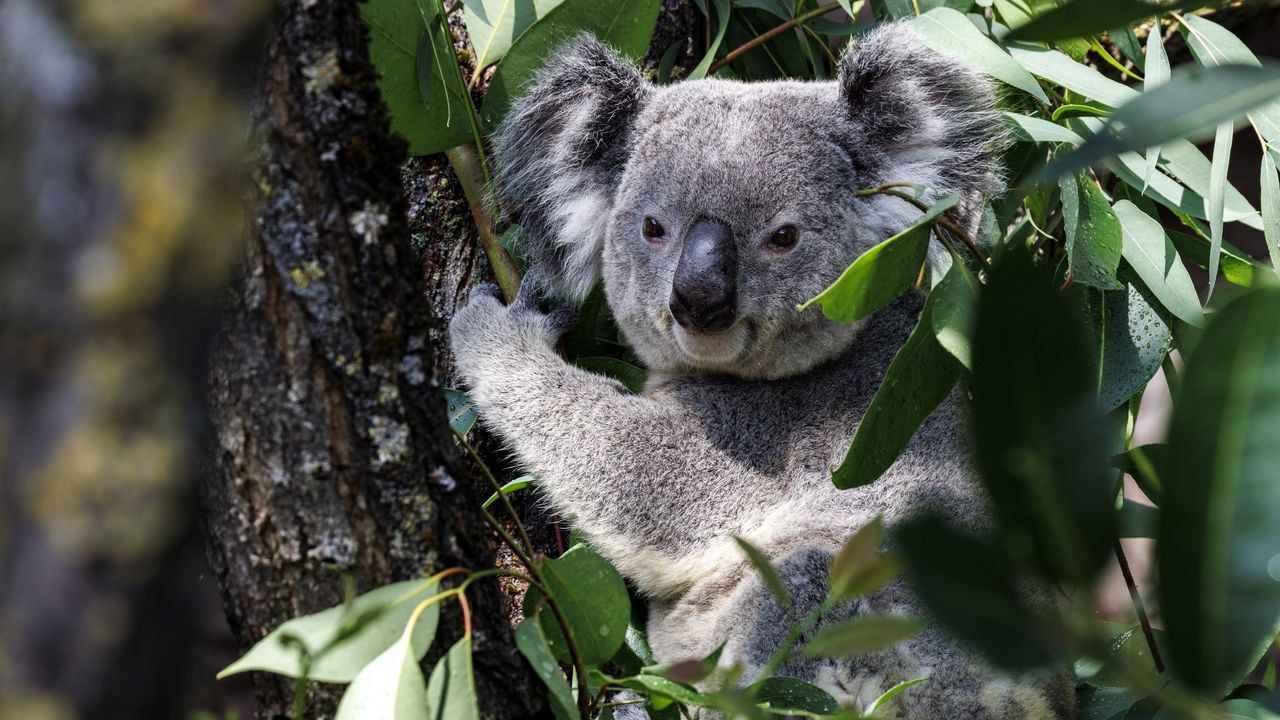
Researchers at the University of Queensland in Australia are developing a method to cryopreserve koala eggs and sperm. This initiative aims to protect the species from potential extinction by storing their genetic material. The process involves freezing the sex cells in liquid nitrogen, which can preserve the DNA for extended periods, potentially for decades. An expert highlighted the long-term viability of this genetic bank. This pioneering work could serve as a crucial tool for koala conservation efforts in the future, ensuring the species' survival even if wild populations face severe decline. The technology offers a potential lifeline for koalas, allowing for future repopulation or genetic rescue if needed.
The cryopreservation of koala gametes represents a proactive approach to species preservation, leveraging advanced biotechnology to mitigate extinction risks. This strategy addresses the vulnerability of koala populations to environmental pressures and habitat loss. By creating a genetic reservoir, scientists are building a biological safety net that could be instrumental in future conservation programs, potentially enabling repopulation or genetic augmentation. The long-term storage capability highlights the potential for intergenerational genetic resource management, a critical consideration in the face of accelerating biodiversity loss. This method underscores the evolving role of scientific intervention in ecological stewardship, offering a technological countermeasure to natural and anthropogenic threats.
AI-generated to prompt reflection — not editorial opinion, not advice, not a statement of fact. How this works.