Australian Senator Pauline Hanson Fails to Overturn Racial Vilification Ruling
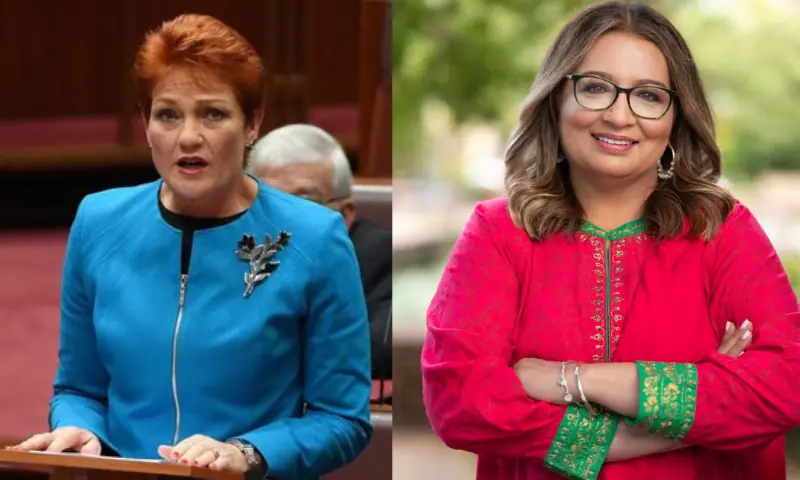
Far-right Australian politician Pauline Hanson has failed in her appeal to overturn a racial vilification finding made against her. The ruling stemmed from comments made in 2022, where Hanson told Muslim Senator Mehreen Faruqi, who was born in Pakistan, to "pack your bags and piss off back to Pakistan." This exchange occurred after Senator Faruqi posted that she could not mourn Queen Elizabeth II, describing the late monarch as the "leader of a racist empire built on stolen lives, land and wealth of colonised people." In 2024, the Federal Court of Australia ruled that Hanson's social media post constituted a "strong form of racism." The judge determined that the post violated Australia's racial discrimination laws, as it was likely to offend, insult, humiliate, and intimidate Senator Faruqi, as well as other Muslim Australians and people of colour who had immigrated to the country. Hanson had appealed the decision, contending that her comments did not breach the law and that the law itself was constitutionally invalid. Her appeal was dismissed on Monday. Hanson stated after the ruling that she was "incensed by the incredible disrespect" shown to the late Queen by Senator Faruqi and others, and that she "simply wanted to call that out." Hanson's party, One Nation, has seen a surge in popularity, with Hanson advocating for strict immigration controls, mass deportations, and enhanced free speech protections.
This case highlights the ongoing tension between free speech advocacy and protections against racial vilification in a multicultural democracy. Senator Hanson's appeal sought to challenge the legal framework designed to prevent discriminatory speech, framing her remarks as a response to perceived disrespect rather than racial animus. The court's decision reinforces the legal interpretation that certain public statements, regardless of intent, can constitute racial vilification if they are reasonably likely to cause offense or intimidation to protected groups. As societies grapple with increasing diversity and evolving social norms, the legal and ethical boundaries of public discourse will continue to be tested. Future legislative and judicial interpretations may seek to balance robust debate with the imperative to foster inclusive public spaces, potentially influencing how political rhetoric is regulated in the digital age.
AI-generated to prompt reflection — not editorial opinion, not advice, not a statement of fact. How this works.