Australian sprinter silent on 200m gold medalist's controversial win
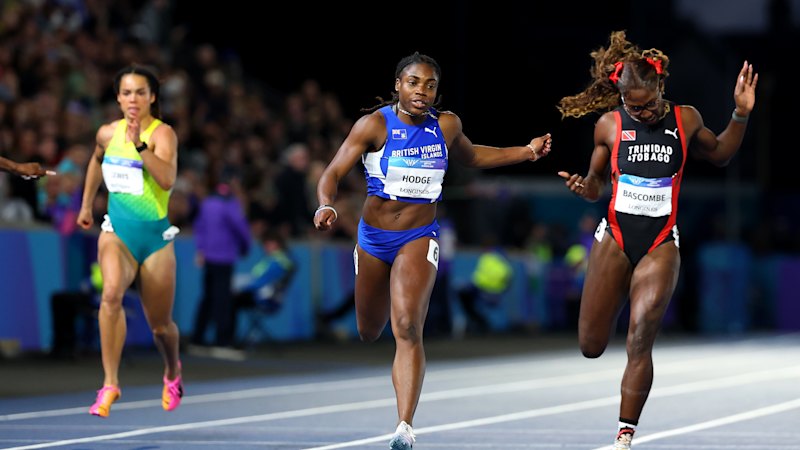
Australian sprinter Adaejah Hodge remained tight-lipped when asked about the 200-meter gold medalist at the Commonwealth Games. Hodge herself was only able to compete in the event after her doping suspension was overturned on two separate occasions. The circumstances surrounding Hodge's eligibility have drawn attention, particularly in light of her subsequent silence when questioned about the winner of the 200-meter race. This situation highlights the complexities and scrutiny often faced by athletes in competitive sports, especially when past disciplinary issues are involved. The Commonwealth Games is a major multi-sport event, and performances within it are closely watched by media and fans alike. Hodge's decision not to comment adds another layer to the narrative surrounding the 200-meter final.
The situation surrounding Adaejah Hodge's participation and subsequent silence prompts reflection on the integrity of athletic competitions and the communication protocols within them. The dual discount of her doping suspension raises questions about the robustness of anti-doping enforcement mechanisms and their potential for inconsistent application. While athletes are entitled to their privacy and freedom of speech, a lack of comment in the face of scrutiny can be interpreted in various ways, potentially impacting public trust. Moving forward, sports governance bodies may consider clearer communication strategies regarding athlete eligibility and the appeals processes to ensure transparency and maintain confidence in competitive outcomes. The long-term implications involve balancing athlete rights with the imperative for fair play and public accountability in elite sports.
AI-generated to prompt reflection — not editorial opinion, not advice, not a statement of fact. How this works.