Australian Woman Welcomes Extremely Rare Identical Quadruplet Daughters
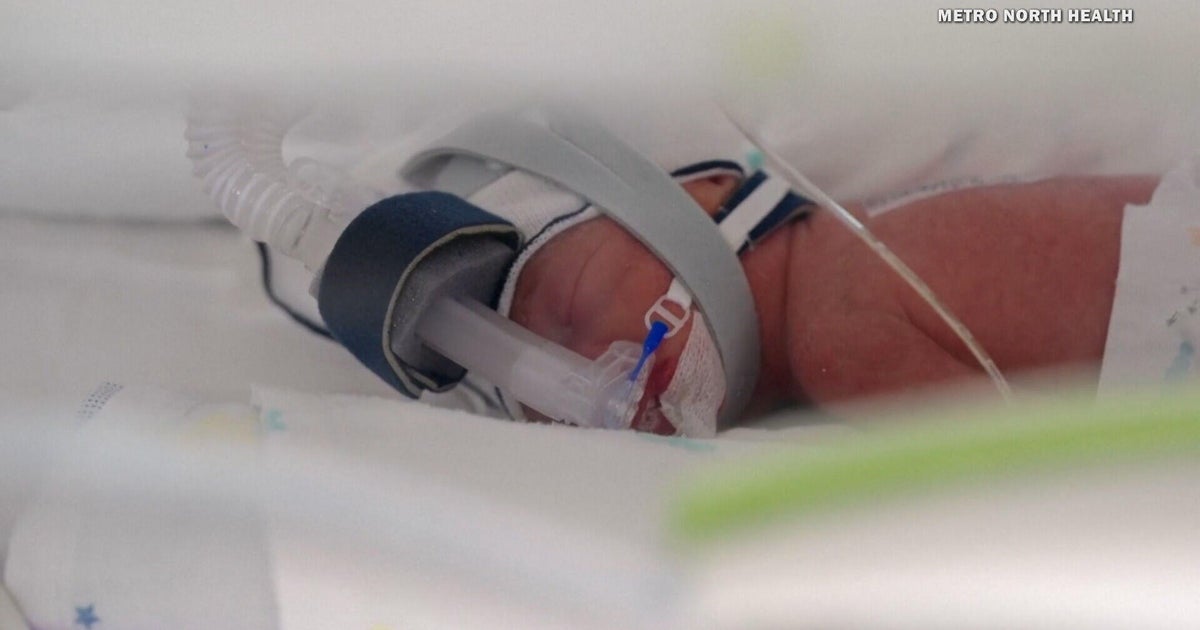
An Australian woman has given birth to a set of incredibly rare identical quadruplet daughters. This remarkable event is estimated to occur only once in every 15 million pregnancies. All four babies share 100% of their DNA, a phenomenon that occurred when a single fertilized egg divided into four separate embryos. This genetic situation makes the birth of identical quadruplets an exceptionally uncommon occurrence.
The birth of identical quadruplets represents a rare biological event, highlighting the unpredictable nature of human reproduction. From a systems perspective, such occurrences underscore the vast statistical probabilities inherent in biological processes, even as medical science advances. The rarity emphasizes the need for continued research into developmental biology and the factors influencing embryonic division. Understanding the precise mechanisms behind single-egg quadruplet formation could offer insights into early-stage development and potentially inform future reproductive technologies, while also serving as a reminder of the inherent diversity within human genetics.
AI-generated to prompt reflection — not editorial opinion, not advice, not a statement of fact. How this works.