Australians Living Longer, But With More Years of Ill Health
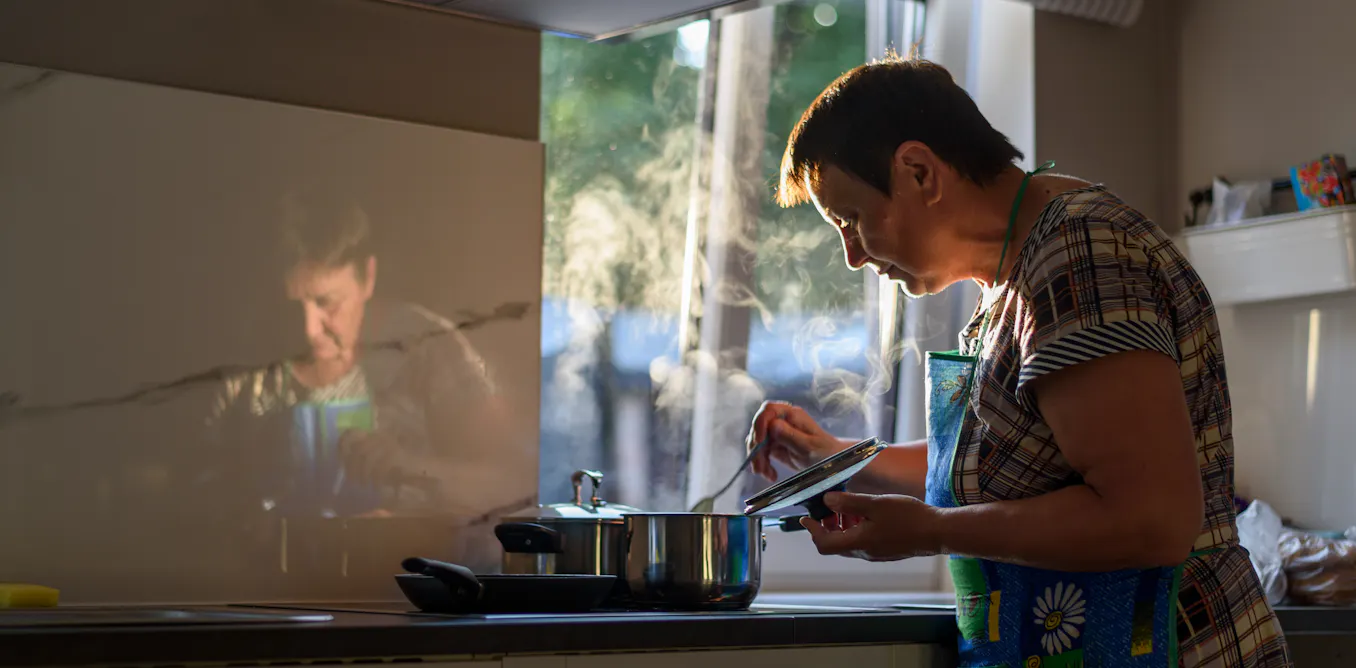
Australians are living longer than in previous decades, but a significant portion of these extended years are spent in poorer health. For a woman born in 2024, the average life expectancy is projected to be 85.1 years. However, the expected number of years lived in 'full health' is considerably less, averaging 73.8 years. This indicates a growing gap between overall lifespan and the duration of healthy living. The data suggests that while medical advancements are extending life, they are not proportionally increasing the quality of those extra years. This trend raises important questions about public health strategies and the healthcare system's focus on managing chronic conditions and improving overall well-being, not just longevity.
The data highlights a divergence between life expectancy and healthy life expectancy in Australia. This trend, observed globally, suggests that while medical and public health interventions are successful in prolonging life, they may be less effective in preventing or mitigating the chronic conditions that diminish quality of life in later years. Future public health policy may need to shift focus from solely extending lifespan to actively increasing the number of years lived in full health. This could involve greater investment in preventative care, chronic disease management, and lifestyle interventions, aiming to reduce the burden of ill health in an aging population and ensure that extended lifespans are accompanied by sustained well-being.
AI-generated to prompt reflection — not editorial opinion, not advice, not a statement of fact. How this works.