Austria Converts Hitler's Birthplace into Police Station to Deter Neo-Nazis
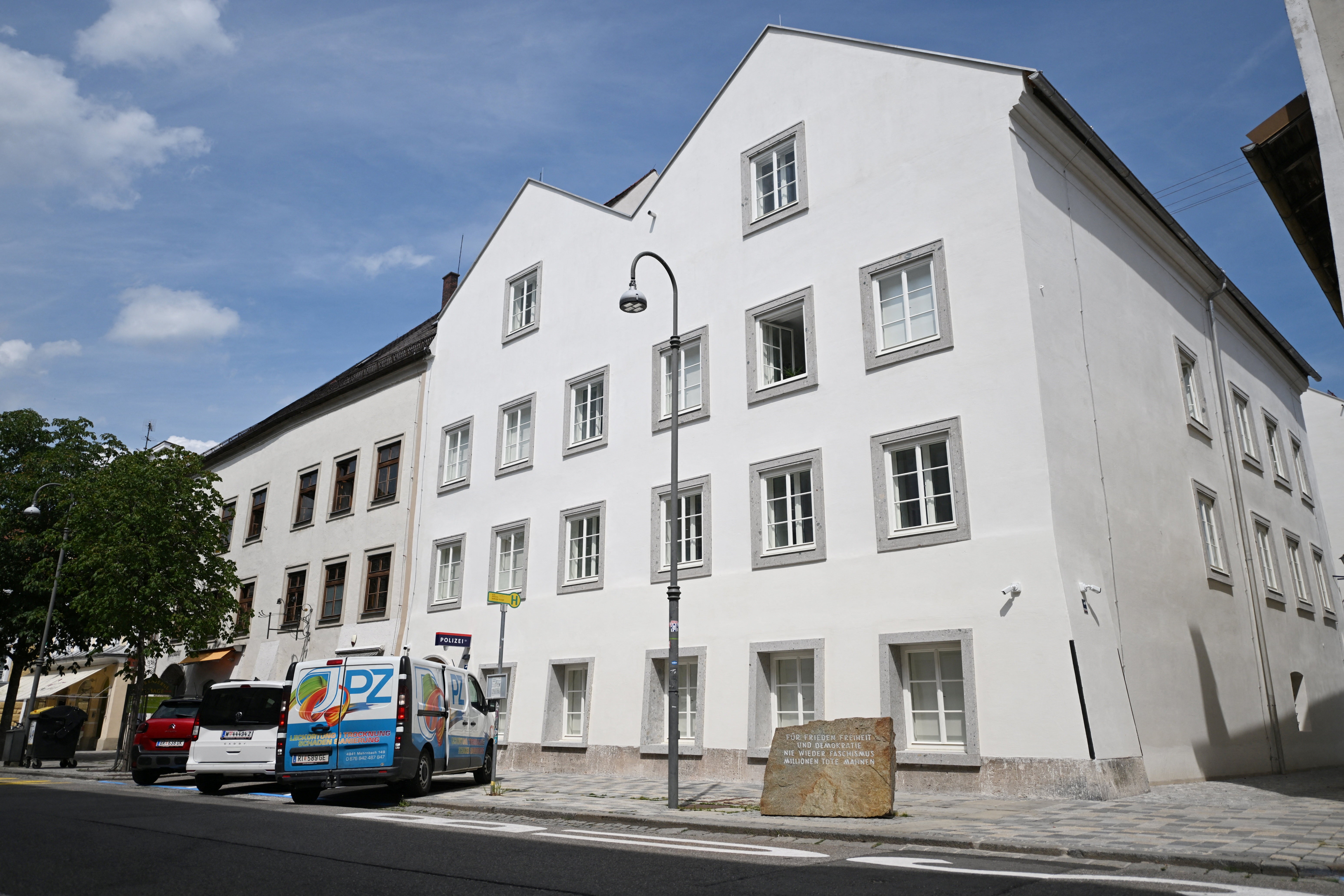
The house where Adolf Hitler was born in Braunau am Inn, Austria, has been transformed into a police station, commencing operations on Wednesday, July 22, 2026. This conversion by the local government aims to prevent the site from becoming a pilgrimage destination for neo-Nazis. The initiative follows years of debate over the future of the large, semi-detached house located on the Austrian-German border. Previously a private property and a charity for people with disabilities, the Austrian government expropriated the building in 2017 and announced its renovation and repurposing in 2019. Stephan Mlczoch, head of the history department at Austria's Interior Ministry, stated the goal was to remove any association with Adolf Hitler and diminish his mythical status. A stone from the Mauthausen concentration camp inscribed with "Fascism never again" remains at the site, but the only addition to the facade is the word "Polizei" (Police). The Interior Minister, Gerhard Karner, emphasized that the Austrian federal police symbolize democracy and the rule of law, the antithesis of the site's historical symbolism. While some locals have expressed mixed feelings, with one preferring the previous charity, many support the change, believing it will end neo-Nazi gatherings. However, the Mauthausen Committee, representing Holocaust survivors, opposes the decision, arguing a police station is inappropriate and that more effort should be made to highlight Hitler's crimes. They believe the conversion will not deter neo-Nazi pilgrimages, stating that the world will not forget where history's greatest mass murderer was born.
Austria's decision to transform Hitler's birthplace into a police station represents a pragmatic approach to neutralize a site of historical infamy. By repurposing the building into an institution symbolizing law and order, the state aims to disrupt the symbolic resonance that attracted extremist elements. This strategy seeks to reclaim public space from hateful ideologies, leveraging the inherent contradiction between the building's past association and its new function. The move acknowledges the complex legacy of Nazism in Austria, shifting from an initial narrative of victimhood to a more nuanced understanding of complicity and perpetrator roles. While the Mauthausen Committee's concerns about historical remembrance and the potential persistence of neo-Nazi pilgrimage highlight the enduring challenge of confronting such legacies, the police station's presence offers a tangible counter-narrative. The long-term success will depend on sustained efforts to educate and actively counter extremist ideologies, rather than solely relying on the physical transformation of a building.
AI-generated to prompt reflection — not editorial opinion, not advice, not a statement of fact. How this works.