Austria to ban headscarves for girls under 14 in schools next academic year
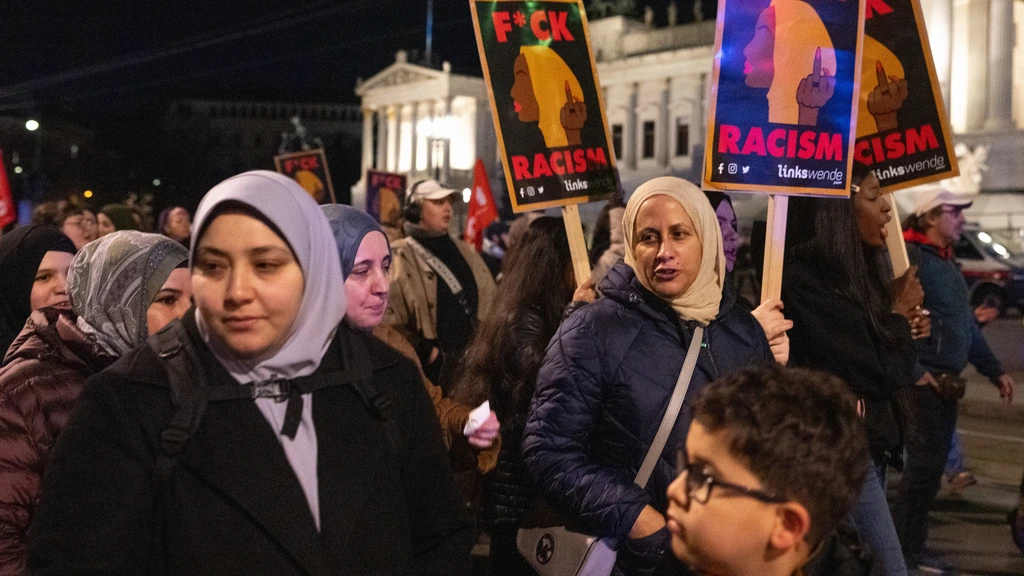
Austria is set to implement a ban on headscarves for young girls in schools starting next academic year, prohibiting their wear for individuals up to the age of 14. Schools are currently preparing for this new regulation, which comes after years of debate. Gerd Bauer, director of a Mittelschule in Vienna-Simmering, noted that while some students indicate they will comply, others remain uncertain. He is discussing enforcement strategies with his teachers, acknowledging the potential difficulties, especially on the busy first day of school. The ban was approved by the three governing parties with support from the far-right FPÖ, while the Green Party opposed it, primarily due to concerns about its implementation.
Minister Plakolm of the ÖVP stated the headscarf is a symbol of oppression and the ban aims to protect young girls and promote integration. However, school director Bauer expressed doubt about claims of voluntary wear, emphasizing the importance of freedom of movement for children. Violations will initially result in a warning, followed by discussions with parents, and potentially a fine of up to 800 euros. Sarah Dakhli from the AKS Vienna student union criticized the measure as symbolic politics targeting Muslim girls and infringing on self-determination and freedom, arguing it is discriminatory as other religious head coverings like the kippah remain permitted.
An earlier headscarf ban was declared unconstitutional in 2020 by the Constitutional Court for violating equal treatment rights. The new law specifically targets headscarves of "Islamic tradition" to prevent "gender-related oppression," while exempting Jewish kippahs or Sikh turbans. Thomas Krebs of the FCG teachers' union acknowledged the impact on students like Sarah but viewed the ban as a symbol of a development not aligning with Central European norms in a secular country where religion should not supersede the state. He also highlighted concerns about teachers becoming enforcers, potentially damaging their trust with students. The Islamic organization IGGÖ is preparing a legal challenge, and Dakhli is organizing protests.
This policy introduces a state-mandated restriction on religious expression for minors in educational settings, framed by the government as a measure for protection and integration. However, critics argue it infringes upon individual freedoms and self-determination, potentially leading to alienation and symbolic discrimination. The policy's selective application, exempting other religious headwear, raises questions about its neutrality and the underlying societal values it seeks to uphold. The enforcement mechanism places educators in a difficult position, potentially creating conflict and undermining the teacher-student relationship. Future challenges may arise from legal appeals and societal resistance, highlighting a tension between secular state principles and the rights of religious minorities within a diverse society. The long-term impact on social cohesion and the integration of minority communities warrants careful observation.
AI-generated to prompt reflection — not editorial opinion, not advice, not a statement of fact. How this works.