Austria Urged to Adopt Climate Crisis Strategy Amid Growing Concerns
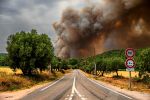
The Austrian government is being called upon to implement a comprehensive strategy to address the climate crisis. The urgency stems from the escalating threat that climate change poses to human livelihoods. Critics argue that the current government approach continues as if no significant new developments or threats are emerging. This inaction is seen as particularly concerning given the acute and menacing scale of the dangers presented by a changing climate. The call for a strategy implies a need for proactive measures and policy shifts to mitigate the impacts of climate change. The current situation suggests a disconnect between the perceived severity of the climate crisis and the governmental response. This situation highlights a critical juncture for Austria in confronting environmental challenges and securing a sustainable future for its citizens.
The call for a climate crisis strategy in Austria reflects a broader global discourse on the urgency of environmental policy. The framing of the issue as an 'acute and threatening' danger suggests that public and political pressure is mounting for more decisive governmental action. From a systems perspective, the delay in implementing a comprehensive strategy may indicate challenges in aligning diverse stakeholder interests, economic considerations, and long-term environmental goals. The effectiveness of any future strategy will likely depend on its ability to integrate scientific consensus with practical policy solutions, addressing potential trade-offs between immediate economic impacts and long-term ecological resilience. The next decade will likely see increased scrutiny on national climate commitments, driven by both scientific imperatives and evolving geopolitical landscapes.
AI-generated to prompt reflection — not editorial opinion, not advice, not a statement of fact. How this works.
