Austrian Budget: 58% Expect Personal Financial Strain
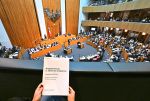
A recent poll reveals that 58 percent of the Austrian population anticipates personal financial burdens due to the newly implemented austerity budget. In stark contrast, only 24 percent of the population believes that the budget will set Austria on the "right course." This sentiment suggests a widespread skepticism regarding the government's fiscal strategy and its potential positive impact on the nation's economic trajectory. Furthermore, the survey indicates a strong public desire for fiscal responsibility to begin within the political sphere. Specifically, two-thirds of respondents expressed a preference for savings to be primarily made from the budgets allocated to political parties. This highlights a significant disconnect between public expectations and the perceived priorities of the government's spending cuts.
The Austrian government's austerity budget faces significant public skepticism, with a majority anticipating personal financial hardship rather than national economic improvement. The strong public demand for cuts to political party funding suggests a perception of political self-interest or inefficiency, potentially undermining trust in the government's broader fiscal management. This dynamic highlights a common challenge for governments implementing austerity: balancing necessary fiscal consolidation with public perception and trust. Future policy decisions may need to address this trust deficit by demonstrating equitable burden-sharing and greater transparency in political spending to foster broader public acceptance of fiscal measures.
AI-generated to prompt reflection — not editorial opinion, not advice, not a statement of fact. How this works.