Austrian Minister Totschnig Discusses Climate Law and Forest Owner Support on ORF
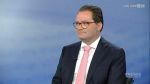
Austrian Minister for Agriculture and Environment, Norbert Totschnig, participated in a 50-minute segment on ORF's "Pressestunde" (Press Hour). During the discussion, he addressed the critical topic of the climate protection law and detailed plans for allocating millions of euros to forest owners. The minister also touched upon environmental protection measures and the importance of supporting the forestry sector. The interview aimed to provide clarity on the government's strategies for climate action and its commitment to the agricultural and environmental domains. Minister Totschnig emphasized the need for a balanced approach, integrating ecological goals with economic realities for landowners. The segment covered various aspects of environmental policy, including the role of forests in climate mitigation and adaptation strategies. The discussion highlighted the financial support mechanisms being put in place to assist forest owners in navigating environmental challenges and implementing sustainable practices. The overall tone of the interview was constructive, focusing on policy details and future directions for Austria's environmental agenda.
The discussion surrounding Austria's climate protection law and financial support for forest owners highlights the complex interplay between environmental policy and economic incentives. Minister Totschnig's engagement on ORF's "Pressestunde" indicates a focus on public communication regarding these significant policy areas. The allocation of funds to forest owners suggests a strategy to foster private sector participation in climate mitigation efforts, leveraging land management practices as a tool for carbon sequestration and biodiversity preservation. This approach reflects a broader trend of seeking market-based or incentive-driven solutions to environmental challenges, aiming to align economic interests with ecological objectives. The effectiveness of such measures will depend on their design, implementation, and the long-term commitment to supporting sustainable land use in the face of evolving climate impacts and policy landscapes.
AI-generated to prompt reflection — not editorial opinion, not advice, not a statement of fact. How this works.