Austrian Rail Achieves Record Mileage, Half of Long-Distance Delays Originate Abroad
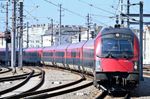
Austrian Federal Railways (ÖBB) has achieved a record in train kilometers operated, indicating increased activity and potentially greater efficiency on the tracks. This milestone was reported by Schienen-Control, the Austrian railway infrastructure control body. Despite the overall increase in operational distance, a significant challenge remains: half of all delays experienced in long-distance rail transport are attributed to external factors originating from abroad. This suggests that while domestic operations are expanding, international connections and cross-border rail traffic are a major source of disruption for Austrian passengers. The report highlights a complex interplay between domestic performance and international dependencies within the European rail network. Further investigation into the specific causes of these imported delays is likely needed to address the issue effectively.
The reported record in train kilometers for Austrian rail signifies robust domestic operational capacity. However, the statistic that half of all long-distance delays are imported from abroad points to systemic vulnerabilities within the interconnected European rail network. This situation highlights the critical need for enhanced cross-border coordination and infrastructure standardization among national railway operators. Future policy and investment should focus on improving interoperability and addressing bottlenecks at international junctions to ensure reliable passenger and freight services across the continent. The dependency on foreign rail operations for domestic delay metrics suggests that optimizing international transit agreements and network management could yield significant improvements in overall service punctuality.
AI-generated to prompt reflection — not editorial opinion, not advice, not a statement of fact. How this works.