Author Argues US Drug Policy Perpetuates False Narrative on Mexican Organized Crime
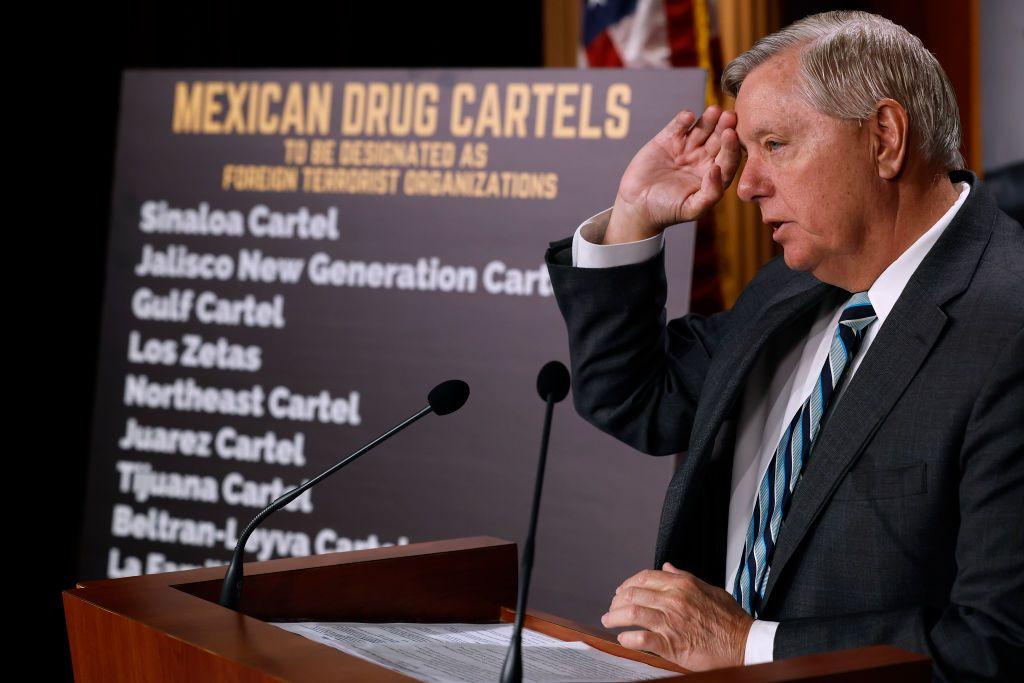
Oswaldo Zavala, an author and researcher, challenges the prevailing narrative surrounding organized crime in Mexico, arguing that it is largely shaped by Washington's drug policy. He contends that the anti-drug policies implemented by the United States have fostered a generalized discourse about drug trafficking. This discourse, according to Zavala, creates a simplified and often inaccurate narrative about the nature of organized crime in Mexico. He suggests that this approach fails to acknowledge the complexities of the situation and may inadvertently reinforce a problematic understanding of the issue. Zavala's perspective implies that a more nuanced approach is needed to address drug trafficking and organized crime, one that moves beyond broad generalizations and considers the specific realities within Mexico.
The assertion that "cartels do not exist" and that US drug policy perpetuates a generalized narrative about Mexican organized crime highlights a potential disconnect between policy objectives and on-the-ground realities. This perspective suggests that a focus on broad, often US-driven, anti-drug frameworks may obscure the intricate socio-economic and political factors contributing to illicit economies within Mexico. Such generalized narratives, while perhaps simplifying enforcement, risk overlooking localized dynamics and the potential for adaptive strategies by criminal organizations. Moving forward, policy interventions might benefit from greater emphasis on nuanced, context-specific approaches that acknowledge the evolving nature of organized crime and its multifaceted drivers, rather than relying on potentially outdated or overly broad conceptualizations.
AI-generated to prompt reflection — not editorial opinion, not advice, not a statement of fact. How this works.
