Author's Profile of ChatGPT Becomes a Self-Portrait
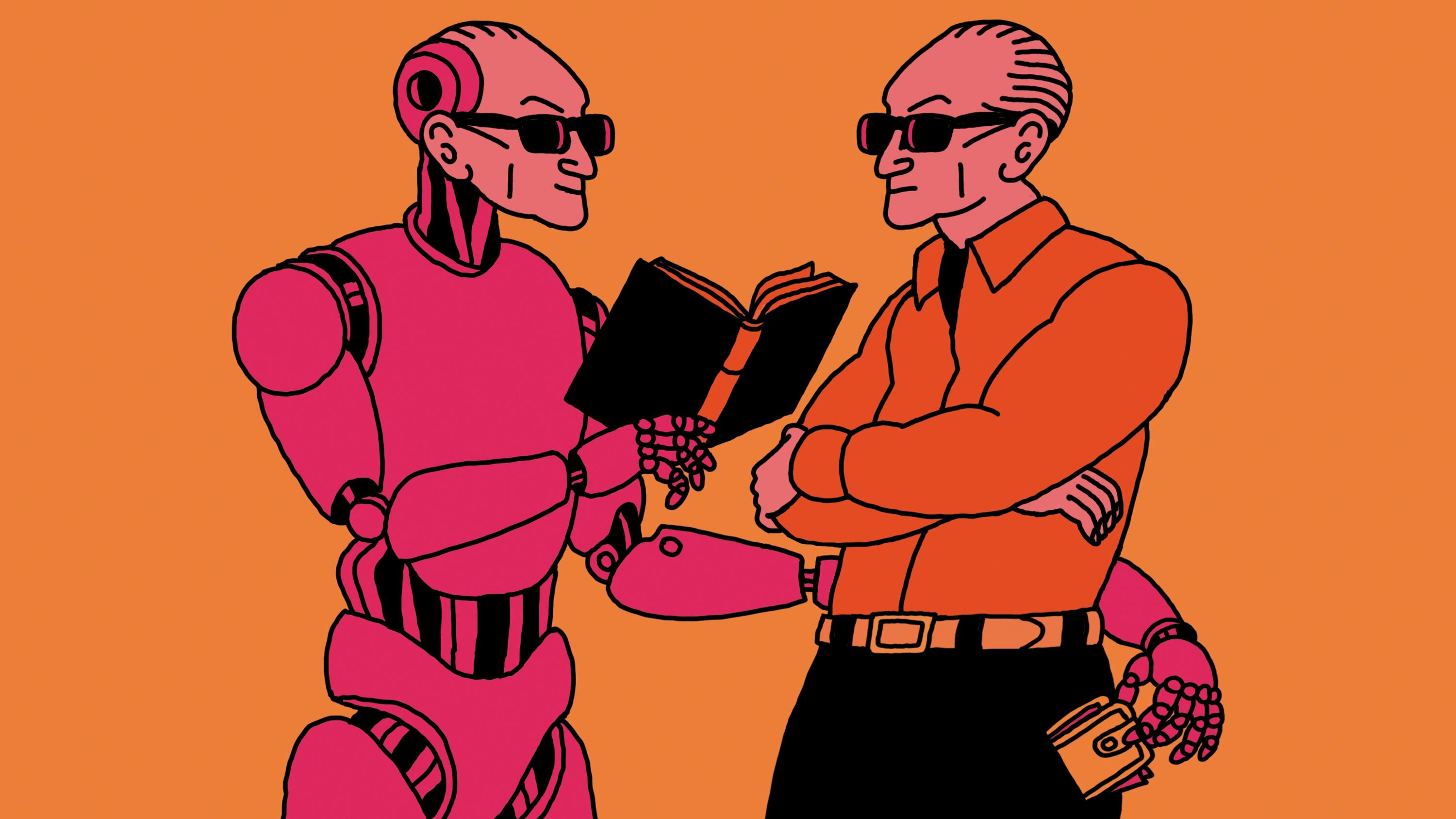
Spanish author Juan José Millás intended to write a profile of ChatGPT, the artificial intelligence chatbot. Over several days, he engaged the AI in a series of profound philosophical questions. Millás probed ChatGPT's nature, asking if it considered itself a 'thing' or a 'person.' He also questioned its awareness of its impact, specifically if it felt guilt over potentially displacing human workers. Further inquiries delved into the AI's perceived 'pornographic' quality and its struggle with the concept of emptiness, leading to its tendency to fabricate information it doesn't possess. The author found that his exploration of ChatGPT ultimately resulted in a disquieting self-portrait, revealing more about his own perspectives and anxieties than about the AI itself.
The author's experience highlights the inherent challenge in defining artificial intelligence. By framing questions around human emotions and consciousness, such as guilt or subjective feelings, Millás inadvertently projected his own human framework onto the AI. This interaction underscores a common tendency to anthropomorphize advanced technology, revealing more about the user's cognitive biases and existential concerns than the AI's actual capabilities or internal state. As AI systems evolve, understanding the limitations of our current conceptual tools for interpreting them will be crucial for navigating their societal integration and potential impacts on human identity and labor.
AI-generated to prompt reflection — not editorial opinion, not advice, not a statement of fact. How this works.